Best Practices for Industrial Water System Design: Feedwater Analysis
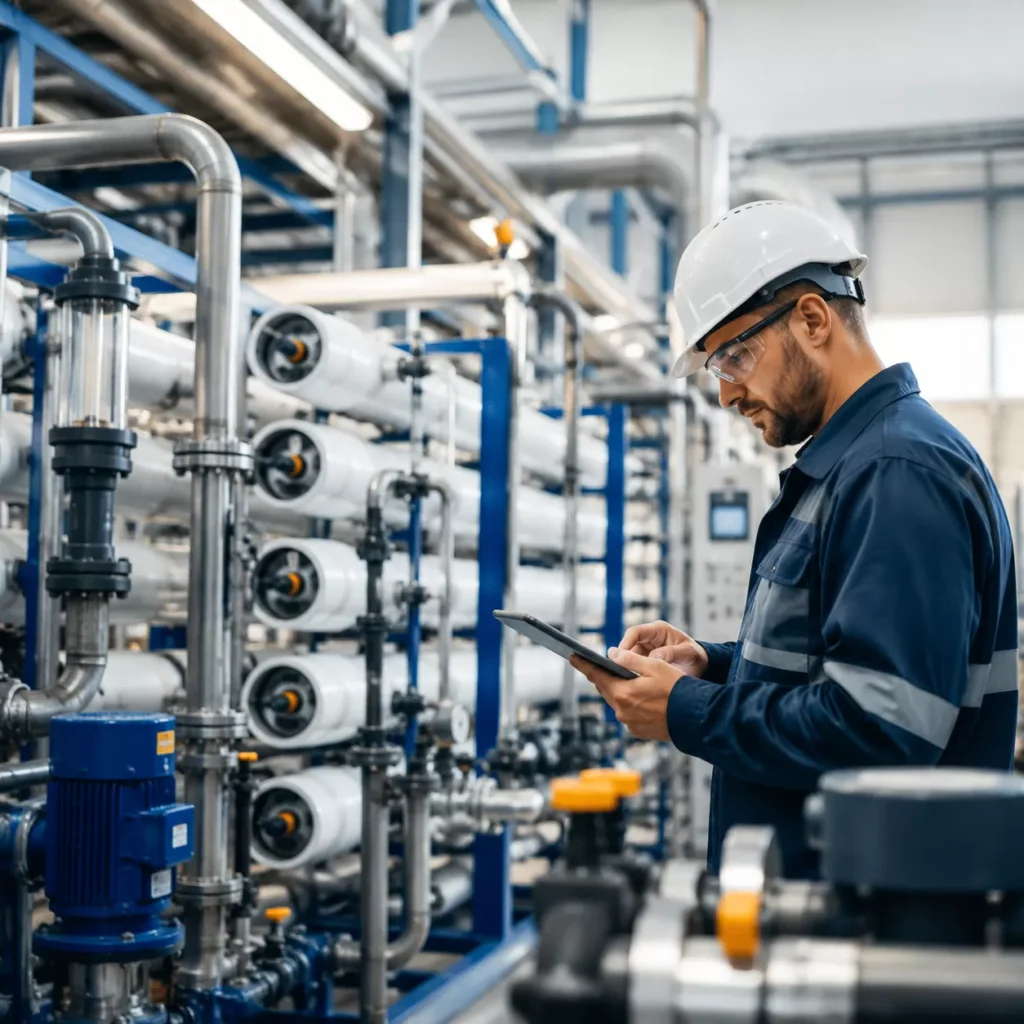
Are you dealing with unexpected scaling, premature membrane fouling, or inconsistent water quality in your facility? As manufacturers of industrial water treatment solutions, we know that skipping a rigorous feedwater analysis is the fastest way to compromise a water purification plant engineering project. The foundation of any high-performing system begins with comprehensive feedwater analysis and quality mapping.
Profiling the Water Source
Profiling your water source establishes the baseline for all subsequent engineering decisions. We do not just look at a single snapshot; we map seasonal variations and exact chemical compositions to build resilient systems. Relying on assumptions about your feed source guarantees bottlenecks and inflated operating costs down the line.
To engineer a robust system, we strictly evaluate these baseline metrics:
| Baseline Metric | Impact on System Engineering |
|---|---|
| Total Dissolved Solids (TDS) | Dictates the sizing and pressure requirements for reverse osmosis membranes. |
| pH Levels | Influences chemical dosing automation and specific metallurgy selection. |
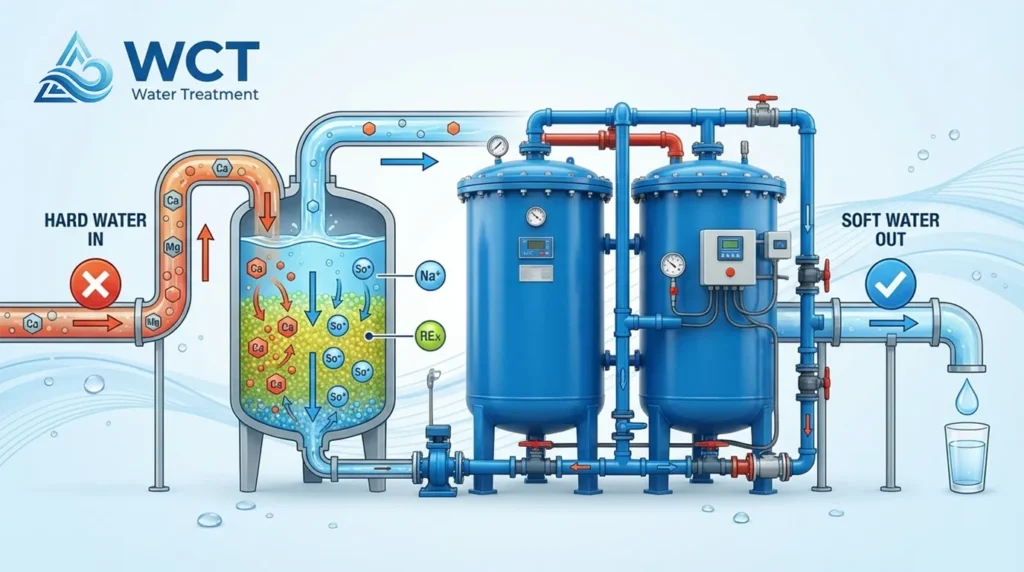
| Hardness (Calcium/Magnesium) | Determines the necessity and scale of softening or antiscalant systems. |
| Biological Contaminants | Drives the integration of UV sterilization or chlorination stages to prevent biofilm. |
Defining Effluent and Process Requirements
Once we map the influent, we reverse-engineer the solution based on your exact facility goals. Aligning system design with specific manufacturing purity standards ensures you only pay for the purification levels you actually need. Whether you need ultra-pure water for microelectronics or standard utility water, defining these parameters early guarantees optimal plant water cycle optimization.
We align your process requirements by evaluating three core areas:
- Target Purity Standards: Matching the final water quality to strict industry-specific production requirements.
- Downstream Protection: Establishing hardness and silica limits to protect boilers, cooling towers, and custom filtration skids from scale.
- Discharge Limits: Mapping the exact effluent characteristics required to meet local environmental discharge regulations before designing the wastewater recovery stream.
Engineering for Process Water Recycling and Reuse
Closing the Loop on Water Waste
Integrating process water recycling systems is a game-changer for reducing raw water intake and slashing municipal discharge fees. In our approach to sustainable industrial water management, we design systems that capture, treat, and route water back into your production lines. This keeps your utility bills low and ensures your operation remains resilient against local water scarcity.
Key advantages of closing the loop:
- Lower operational costs: Drastically cut down on purchasing fresh raw water.
- Reduced discharge penalties: Minimize the volume of effluent sent to municipal sewers.
- Plant water cycle optimization: Maintain a consistent, high-quality water supply directly on-site.
Zero Liquid Discharge (ZLD) Considerations
For facilities aiming for maximum environmental compliance and efficiency, achieving Zero Liquid Discharge (ZLD) is the ultimate operational goal. We engineer systems that prioritize wastewater recovery and reuse, capturing every possible drop of usable water before it becomes a waste liability.
By implementing advanced membrane separation and thermal evaporation techniques, we minimize waste streams down to manageable solid residues. When developing comprehensive plants for water treatment, we focus heavily on these ZLD principles to ensure that absolutely no liquid waste leaves your facility, completely transforming how you handle your industrial water footprint.
Implementing Customized Filtration Skids
As a reliable commercial water filtration supplier, we know that flexibility is everything in modern manufacturing. Shifting toward modular infrastructure is now one of the core best practices for industrial water system design.
The Advantage of Modular Design
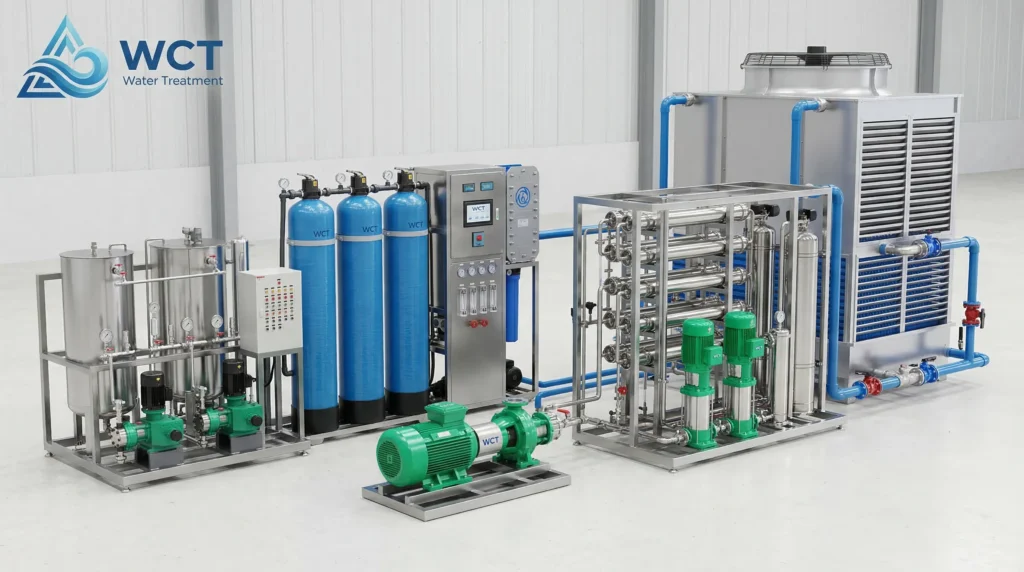
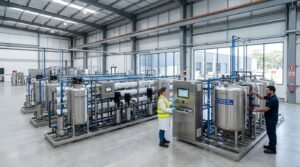
Traditional built-in-place systems typically require long plant downtime and unpredictable on-site construction. Pre-engineered, custom filtration skids completely change this dynamic. We assemble and pressure-test these units in a controlled manufacturing environment, ensuring they consistently outperform field-built alternatives in both build quality and deployment speed. When the modular system arrives at your facility, it is ready to drop in and connect seamlessly to your broader water treatment process.
Scalability and Footprint
Industrial plant floor space is highly valuable and rarely abundant. Custom filtration skids are engineered to solve strict spatial constraints while keeping future growth in mind.
- Tight Layout Integration: We design modular skids to maximize vertical space, fitting easily into restricted utility rooms and tight plant layouts.
- Future-Proof Expansion: When production demands increase, you do not need to tear down existing infrastructure. You simply plug an additional skid into the line.
- Streamlined Deployment: Utilizing skids greatly simplifies overall water purification plant engineering, cutting down on installation time and reducing initial capital expenditure.
Optimizing Industrial Flow Management
Proper fluid dynamics form the backbone of any reliable setup. When executing the best practices for industrial water system design, we focus heavily on industrial flow management to keep operations running smoothly without placing unnecessary strain on your infrastructure.
Precision Hydraulic Balancing
Achieving the right balance across your facility prevents costly bottlenecks and severe pressure drops. We utilize modern industrial fluid handling technology to engineer fluid dynamics that deliver consistent, reliable performance.
- Right-Sized Components: We calculate the exact specifications needed for pumps, pipes, and valves to precisely match your operational volume requirements.
- Pressure Optimization: Proper sizing eliminates erratic pressure spikes and flow drops, safeguarding sensitive downstream filtration equipment.
- Efficient Flow Paths: A well-balanced hydraulic layout directly drives plant water cycle optimization, reducing energy waste and extending component lifespans. Properly integrating these fluid dynamics is a critical step in mastering the complete industrial water treatment process.
Eliminating System Dead Legs
Stagnant water is a massive liability in any manufacturing environment. Dead legs—sections of piping where water fails to flow continuously—serve as dangerous breeding grounds for biofilm and microbial growth.
- Streamlined Pipework: We design rigorous piping layouts that ensure constant water movement, structurally eliminating areas where fluid can sit and stagnate.
- Contamination Prevention: Removing these physical blind spots drastically lowers the risk of biological fouling. To guarantee the highest purity standards, we routinely pair this streamlined piping design with targeted UV water treatment for bacteria, establishing a comprehensive defense against microbial threats.
Integrating Advanced Automation and Controls
SCADA Water System Integration
When looking at the Best Practices for Industrial Water System Design, relying on manual operation is no longer enough. We engineer our plants with comprehensive SCADA water system integration to give you complete visibility over every drop of water. This technology serves as the brain of your facility, ensuring that your equipment operates at peak efficiency around the clock.
Key benefits of our automated control systems include:
- Real-Time Monitoring: Instantly track flow rates, pressure levels, and water quality metrics from a central dashboard.
- Predictive Maintenance: Smart sensors alert you to potential mechanical issues before they turn into costly breakdowns.
- Automated Chemical Dosing: SCADA systems seamlessly control the precise delivery of water treatment chemicals, preventing waste and maintaining strict quality standards without operator guesswork.
Remote Monitoring Capabilities
Modern industrial fluid handling technology heavily relies on remote accessibility. By integrating advanced control panels, we help you achieve true plant water cycle optimization.
Operators can access system controls from off-site locations via secure mobile or desktop platforms. This direct remote access drastically reduces downtime and virtually eliminates human error. If an alarm triggers, your team can diagnose and often resolve the issue remotely, keeping your manufacturing process running smoothly and protecting your bottom line.
Material Selection and System Longevity
Applying the best practices for industrial water system design means prioritizing durability from the ground up. The materials chosen for your plant directly dictate its operational lifespan and reliability.
Choosing the Right Metallurgy and Polymers
Combatting continuous corrosion and scaling requires tough, purpose-built materials. We integrate high-grade duplex stainless steel alongside specialized PVC and CPVC to handle the harsh, everyday demands of modern industrial fluid handling technology. Selecting the correct materials prevents premature pipeline failure and keeps water flowing without contamination.
Cost-Benefit Analysis
While premium piping and valves require a higher initial investment, the long-term maintenance savings easily justify the cost. A smart material strategy protects your bottom line and ensures continuous operation:
- Duplex Stainless Steel: Delivers extreme resistance to chemical wear and high-pressure environments.
- Advanced Polymers: Industrial-grade PVC and CPVC provide cost-effective, scale-resistant routing throughout your entire water treatment process.
- Lower Total Cost of Ownership: Balancing upfront material costs drastically reduces expensive system downtime, chemical leaks, and early component replacements.
Energy Efficiency and Sustainability Compliance
Designing for the future means prioritizing water system energy efficiency and environmental responsibility. We focus on building systems that cut operational costs while keeping your facility firmly within legal bounds.
High-Pressure System Optimization
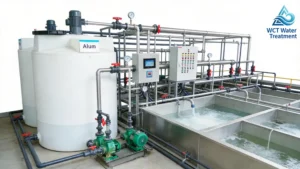
Power consumption is a major concern in modern industrial water system design, especially for high-pressure operations like reverse osmosis. We optimize these systems by integrating smart hardware:
- Energy Recovery Devices (ERDs): We capture and reuse hydraulic energy from high-pressure reject streams, drastically reducing the load on primary pumps.
- Variable Frequency Drives (VFDs): Instead of running pumps at full speed constantly, VFDs adjust motor speeds in real-time to match actual process demands, eliminating wasted electricity.
Regulatory Adherence and Sustainable Management
Staying compliant with local and federal discharge limits is non-negotiable. Water quality regulatory compliance requires systems that consistently treat effluent to exact environmental standards before it leaves your plant.
- Seamless Compliance: We engineer systems that handle heavy contaminant loads, ensuring your discharge water meets all local environmental laws.
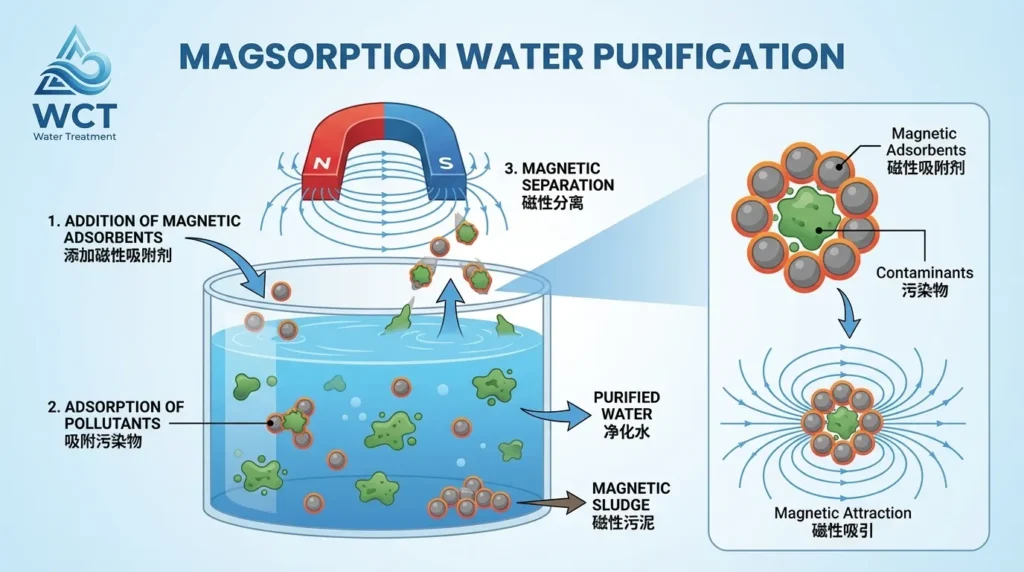
- Advanced Sustainable Technologies: To achieve sustainable industrial water management, we incorporate innovative, low-energy purification methods, such as magsorption water treatment, which effectively removes dissolved pollutants without the high energy footprint of traditional thermal or chemical processes.
By balancing intelligent power management with strict discharge compliance, we ensure your plant operates efficiently while protecting both your bottom line and the environment.
Partnering with a Proven Manufacturer: The WCT Advantage
Seamless Design Integration
Working directly with a turnkey water treatment manufacturing supplier like WCT guarantees your project\’s success from day one. We eliminate the frustrating gaps between design engineers and equipment builders by keeping everything under one roof. This seamless integration ensures your industrial water system design perfectly matches your operational realities, preventing costly on-site modifications. Whether you are upgrading an existing facility or exploring comprehensive water purification plant engineering, partnering with a single-source manufacturer accelerates deployment and guarantees strict quality control.
Comprehensive Capabilities Overview
As an experienced commercial water filtration supplier, we provide end-to-end solutions tailored to your plant\’s specific needs. Our manufacturing capabilities bridge the gap between raw water challenges and pure water results.
Our core capabilities include:
- Conceptual Engineering: We map out the entire water cycle, tailoring designs for optimal performance and regulatory compliance.
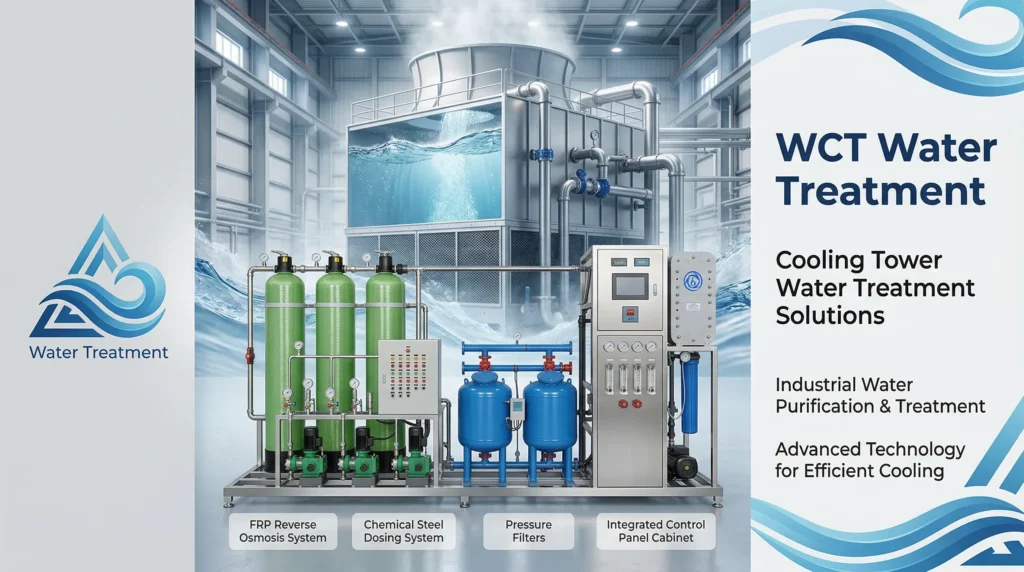
- Custom Filtration Skids: We build robust, pre-engineered modular skids that minimize installation time and fit seamlessly into your existing footprint.
- Industrial Fluid Handling Technology: We source and assemble premium pumps, valves, and piping networks designed to handle harsh industrial environments.
- Turnkey Manufacturing: From bare metal fabrication to final SCADA integration, we deliver complete, ready-to-run systems that maximize your return on investment.
Frequently Asked Questions (FAQs)
Standard Regulatory Compliance Requirements
When managing industrial water system design, maintaining strict water quality regulatory compliance is non-negotiable. Standard requirements largely depend on your local and federal environmental agencies (like the EPA or regional equivalents). Key compliance factors include:
- Discharge Limits: Strict caps on heavy metals, total suspended solids (TSS), and biological oxygen demand (BOD).
- pH Balancing: Ensuring effluent water falls within a neutral, safe pH range before discharge.
- Process Transparency: Understanding your facility\’s complete waste water treatment process guarantees you meet these evolving discharge mandates without facing heavy fines.
Energy Savings with Upgraded RO Design
Upgrading an outdated industrial reverse osmosis design yields massive operational savings. By retrofitting your existing plant with modern Variable Frequency Drives (VFDs) and high-efficiency Energy Recovery Devices (ERDs), facilities typically see energy consumption drop by 30% to 50%. Upgrading ensures maximum water system energy efficiency, lowering your daily electrical overhead while extending the lifespan of your high-pressure pumps.
ROI of Wastewater Recovery and Reuse
The return on investment (ROI) for installing wastewater recovery and reuse systems generally ranges between 18 to 36 months. The financial benefits compound quickly through:
- Lower Raw Water Costs: Drastically reducing the volume of fresh municipal water you need to purchase.
- Reduced Disposal Fees: Cutting down the amount of effluent you send to municipal treatment plants.
- Drought Resilience: Securing an independent, closed-loop water supply that protects your production lines against regional water scarcity and rate hikes.