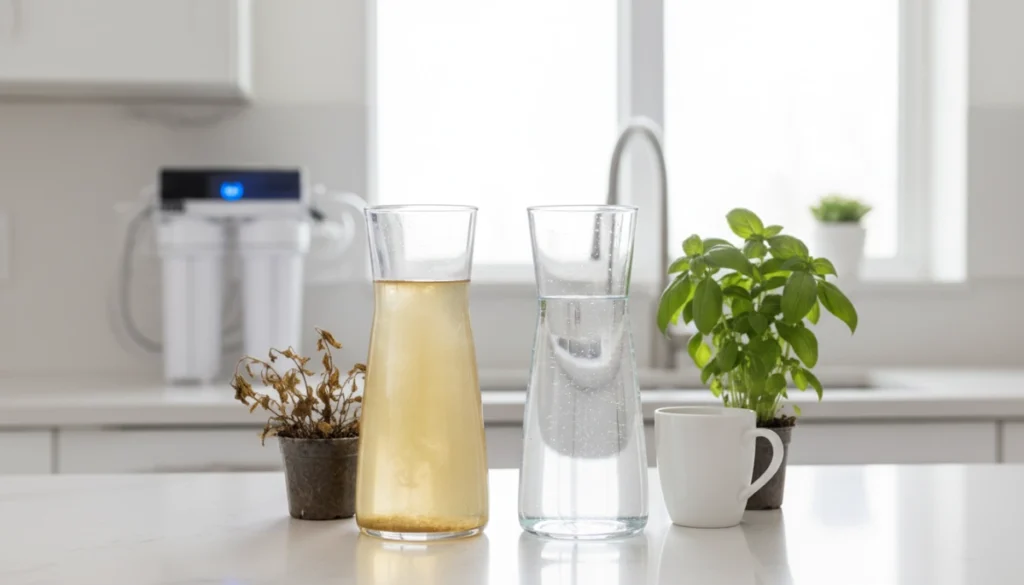
You might think the water coming out of your tap is perfectly safe, but hidden pathogens, contaminants, and hard water minerals could be quietly damaging your health and your home’s plumbing.
Understanding why water treatment is important is about more than just a clean drink—it’s about public health, environmental protection, and significant cost savings. Whether you are looking to install a reverse osmosis system or simply want to understand the water treatment process, this guide provides the expert insights you need to ensure your water is pure and safe.
Let’s dive right in.
What is Water Treatment?
Water treatment is the critical process of improving water quality to make it highly acceptable for a specific end-use, such as safe drinking water, industrial applications, or safe environmental discharge. As a dedicated water treatment products supplier and manufacturer, we know that effective water purification removes harmful contaminants, suspended solids, and dangerous pathogens. Understanding exactly why water treatment is important begins with recognizing its foundational role in sustaining modern civilization and protecting public health.
The Growing Problem of Water Scarcity and Pollution
The global demand for clean water is rapidly outpacing the available supply. Rapid industrialization, agricultural expansion, and urban sprawl have severely degraded natural water sources worldwide.
- Depleting Freshwater Reserves: Climate change and aggressive over-extraction are rapidly shrinking accessible freshwater lakes and aquifers.
- Industrial Pollution: Chemical discharge and heavy metals heavily compromise raw water quality.
- Agricultural Runoff: The heavy use of pesticides and fertilizers leads to toxic algal blooms and chemical contamination in natural reservoirs.
How Water Contamination Affects Communities
When untreated or poorly treated water reaches local populations, the consequences are severe. Poor water quality directly threatens public health, economic stability, and daily life.
- Health Crises: Exposure to bacteria, parasites, and viruses causes severe, widespread outbreaks of waterborne diseases.
- Economic Burden: High medical costs and lost workforce productivity heavily impact local economies.
- Infrastructure Degradation: Corrosive, mineral-heavy water destroys municipal plumbing and household fixtures.
Implementing reliable wastewater treatment and advanced purification systems is absolutely non-negotiable for safeguarding community well-being and ensuring sustainable, long-term growth.
Why Water Treatment is Crucial for Public Health
Removing Harmful Contaminants and Pathogens
We prioritize the removal of \”invisible\” dangers that standard filtration might miss. Raw water sources are often tainted with heavy metals like lead, arsenic, and industrial chemical runoff. By implementing a high-performance RO system for water treatment, we strip away these toxic substances, ensuring that the water quality meets strict safety standards before it ever reaches a tap.
Preventing the Spread of Waterborne Diseases
This is the most fundamental reason why water treatment is important. Untreated water is a breeding ground for pathogens that cause life-threatening illnesses such as cholera, dysentery, and E. coli outbreaks. We utilize advanced industrial UV water treatment technology to neutralize bacteria and viruses at the molecular level. This process provides a reliable biological barrier, protecting entire communities from preventable health crises.
Improving Water Quality, Taste, and Odor
Safe drinking water should be clean, clear, and refreshing. Effective water purification removes the \”swimming pool\” smell of excess chlorine and the metallic tang caused by mineral imbalances.
- Clarity: Eliminates turbidity and suspended solids for crystal-clear water.
- Freshness: Removes organic compounds that cause earthy or musty odors.
- Consistency: Ensures every drop tastes the same, regardless of the source.
By focusing on these health-centric factors, we ensure that water is not just a resource, but a safe foundation for daily life.
The Importance of Water Treatment for Your Home
As a dedicated water treatment products supplier and manufacturer, we frequently explain why water treatment is important for residential properties. The impact of treated water goes far beyond simply providing safe drinking water. A proper home system protects your property investments, reduces daily frustrations, and enhances your family\’s overall well-being.
Protecting Plumbing and Fixtures from Limescale
Untreated hard water carries high concentrations of dissolved minerals like calcium and magnesium. As this water flows through your home, it leaves behind tough limescale deposits.
- Prevents Clogs: Stops mineral buildup from restricting water flow in your pipes.
- Protects Fixtures: Keeps showerheads and faucets free from crusty, white residue.
- Reduces Maintenance: Lowers the need for harsh chemical cleaners and expensive plumbing repairs.
Effective water purification tackles these minerals at the source, keeping your entire plumbing system running smoothly.
Extending the Lifespan of Household Appliances
Your water heater, dishwasher, and washing machine are significant investments that rely heavily on good water quality. When these appliances constantly process hard or contaminated water, their heating elements and internal valves degrade rapidly. Treating your water prevents scale buildup that forces appliances to work harder and consume more energy. Just as large-scale operations utilize a precise chemical dosing system for water treatment to protect industrial machinery from corrosion and scaling, residential water systems serve the exact same protective purpose for your valuable home appliances.
Promoting Better Skin and Hair Health
The quality of the water you bathe in directly affects your body. Unfiltered municipal water often contains chlorine and heavy minerals that strip natural oils from your skin and hair.
- Softer Skin: Eliminates the dry, itchy feeling common after showering in hard water.
- Healthier Hair: Prevents dullness and brittleness, allowing shampoos and conditioners to lather and rinse efficiently.
- Fewer Irritations: Helps alleviate symptoms for those with sensitive skin conditions like eczema.
By investing in proper home water treatment, you transform your daily shower from a harsh chemical exposure into a genuinely refreshing and healthy routine.
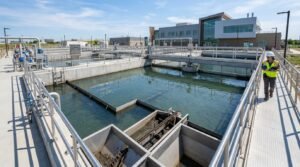
Environmental and Economic Benefits of Treating Water
Understanding exactly why water treatment is important goes far beyond basic human health. It plays a massive role in protecting our planet and driving economic efficiency. As a dedicated water treatment products supplier and manufacturer, we see firsthand how proper water management transforms both local communities and global businesses.
Protecting Natural Water Ecosystems
When untreated runoff and industrial waste enter rivers, lakes, and oceans, they destroy aquatic life. Effective wastewater treatment prevents harmful chemicals, plastics, and heavy metals from polluting these natural habitats. By maintaining strict water quality standards before discharging water back into the environment, we protect fish, plant life, and the delicate balance of our global ecosystems.
The Role of Wastewater Recycling and Reuse
Water scarcity is a growing global threat, making recycling an absolute necessity. Through advanced water purification methods, we can safely turn used water into a valuable resource for agriculture, manufacturing, and even safe drinking water. Implementing reliable commercial water treatment systems allows businesses to drastically reduce their freshwater consumption, lower utility bills, and minimize their overall environmental footprint.
Long-Term Cost Savings for Households and Industries
Treating water at the source saves serious money over time. Hard, unfiltered water destroys plumbing, clogs pipes, and ruins expensive machinery. Upgrading to professional industrial water treatment setups prevents costly downtime and unexpected equipment failure.
Key Economic Benefits:
- Reduced Maintenance: Fewer plumbing repairs and pipe replacements.
- Energy Efficiency: Clean pipes and boilers require less energy to heat and move water.
- Extended Equipment Life: Household appliances and heavy industrial machinery last years longer without scale buildup.
| Sector | Primary Cost Saving Benefit |
|---|---|
| Households | Longer lifespan for washing machines, dishwashers, and water heaters. |
| Industries | Prevention of scale buildup and corrosion in cooling towers and boilers. |
| Municipalities | Lower infrastructure repair costs and reduced public healthcare burdens. |
How Does the Water Treatment Process Work?
As a dedicated water treatment products supplier and manufacturer, we understand the exact mechanics required to deliver safe drinking water. The journey from raw, untreated sources to clean tap water involves a highly controlled, multi-step approach. Seeing this process in action makes it clear why water treatment is important for everyday life and industrial operations alike.
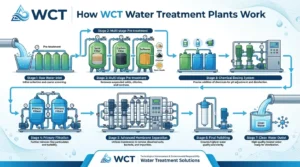
Coagulation, Flocculation, and Sedimentation
The initial phase focuses on removing large particles, dirt, and debris from the raw water supply.
- Coagulation: We introduce specific compounds into the water that neutralize the electrical charges of dirt and dissolved particles.
- Flocculation: Once neutralized, these particles bind together to form larger, heavier clumps known as \”floc.\”
- Sedimentation: Because the floc is heavy, it naturally sinks to the bottom of the holding tanks. This allows the clear, untreated water to separate and remain at the top.
Advanced Filtration Methods
Once the heavy particles settle, the clear water undergoes rigorous water purification to remove even smaller impurities.
- Physical Barriers: The water flows through layered filters made of sand, gravel, and activated carbon.
- Micro-Filtration: These dense layers effectively trap microscopic dust, parasites, and chemical residues that survived the sedimentation phase.
- Targeted Solutions: Many modern setups also integrate specialized filters to address stubborn mineral buildup, a process detailed in our comprehensive hard water treatment guide.
Disinfection and pH Adjustments
The final step ensures the water is completely safe for consumption and will not damage distribution pipes.
- Pathogen Removal: Disinfectants like chlorine, chloramine, or UV light are applied to destroy any remaining bacteria and viruses.
- pH Balancing: The acidity levels are carefully adjusted to prevent pipe corrosion and improve the overall taste.
- Final Quality Check: This rigorous disinfection guarantees optimal water quality before the supply ever reaches your home, business, or wastewater treatment facility.
Different Types of Water Treatment Applications
As a water treatment products supplier and manufacturer, we design and build systems for a wide variety of sectors. Looking at these different applications clearly demonstrates exactly why water treatment is important for modern society. We tailor our technology based on the specific end goal, whether that means achieving perfectly safe drinking water or managing heavy industrial runoff.
Municipal Drinking Water Facilities
City water plants handle massive volumes of water every single day. Their primary goal is strict water purification to deliver safe drinking water to millions of homes and businesses.
- Source processing: Drawing raw water from lakes, rivers, or underground aquifers.
- Public health focus: Aggressively removing pathogens, bacteria, and chemical hazards.
- Distribution: Ensuring high water quality is maintained from the plant all the way to your tap.
Industrial Water Management
Factories, refineries, and power plants require massive amounts of treated water for cooling, cleaning, and manufacturing. Poor water quality in these settings quickly leads to catastrophic equipment failure and expensive product defects. Implementing the proper process of industrial water treatment is absolutely essential for maintaining operational efficiency, protecting expensive machinery, and meeting strict environmental compliance standards.
Wastewater and Sewage Treatment
Before used water returns to the natural environment, it must be thoroughly cleaned. Wastewater treatment focuses on removing toxic chemicals, solid waste, and biological hazards from municipal sewage and industrial runoff. We frequently supply specialized, heavy-duty equipment, such as reliable high-pressure pumps for wastewater treatment, to handle the intense physical demands of modern sewage processing facilities.
Quick Comparison of Water Treatment Applications
| Application Type | Primary Goal | Key Focus Area |
|---|---|---|
| Municipal | Safe drinking water | Pathogen removal, public health, taste |
| Industrial | Equipment protection | Scaling prevention, manufacturing efficiency |
| Wastewater | Environmental safety | Toxin removal, biological hazard reduction |
Common Water Treatment Systems for Residential Use
As a dedicated water treatment products supplier and manufacturer, we know firsthand exactly why water treatment is important for everyday households. Securing safe drinking water right from your tap requires the right equipment. Depending on your local water quality, different systems are designed to tackle specific contamination issues. Here is a breakdown of the most reliable residential setups used for effective water purification.
Water Filtration and Reverse Osmosis Systems
Reverse Osmosis (RO) systems are the gold standard for residential drinking water. These systems force water through a highly specialized semi-permeable membrane, effectively stripping away dissolved solids, heavy metals, and chemical additives like chlorine.
- Comprehensive Purification: Removes up to 99% of harmful contaminants.
- Better Taste: Eliminates foul odors and metallic tastes.
- Convenience: Delivers bottled-water quality directly to your kitchen sink.
Water Softeners for Hard Water Solutions
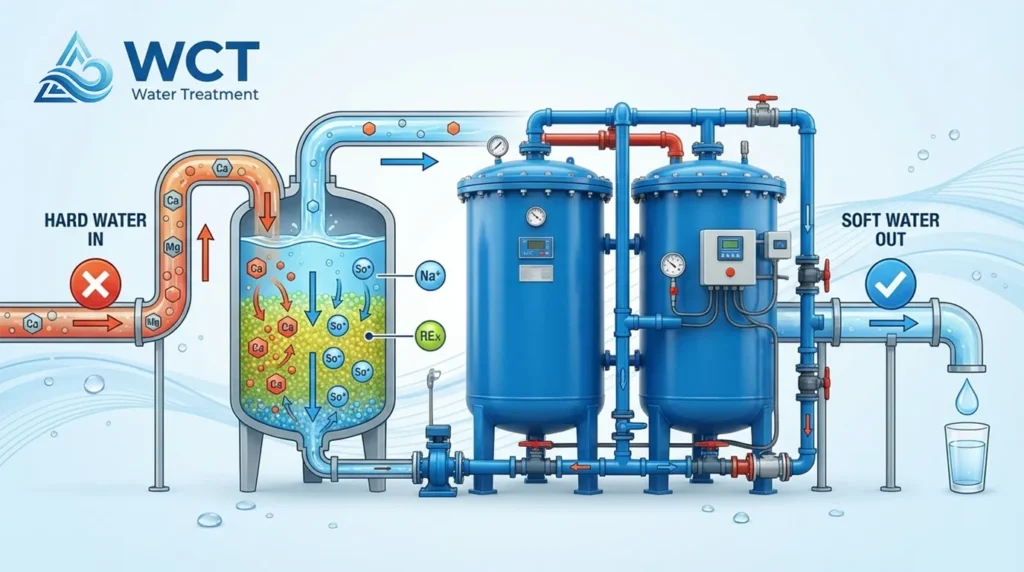
Hard water is packed with calcium and magnesium, which wreaks havoc on home plumbing and appliances. Water softeners solve this issue by using an ion-exchange process to replace these hard minerals with sodium ions.
- Protects Infrastructure: Prevents stubborn scale buildup inside pipes and fixtures.
- Appliance Longevity: Significantly extends the lifespan of water heaters, dishwashers, and washing machines.
- Personal Care: Leaves skin and hair feeling noticeably softer and less dry after washing.
UV Water Purifiers and Disinfection
When your water supply is at risk of biological contamination, chemical-free disinfection is the safest route. UV water purifiers utilize ultraviolet light to scramble the DNA of bacteria, viruses, and cysts, instantly rendering them harmless. For homeowners looking to add this crucial layer of defense, evaluating the ultraviolet water treatment cost is a smart first step in budgeting for long-term health protection.
- Highly Effective: Neutralizes 99.99% of harmful waterborne microorganisms.
- Chemical-Free: Leaves no harmful byproducts or altered tastes in your water.
- Low Maintenance: Requires only an annual bulb change and consumes very little electricity.