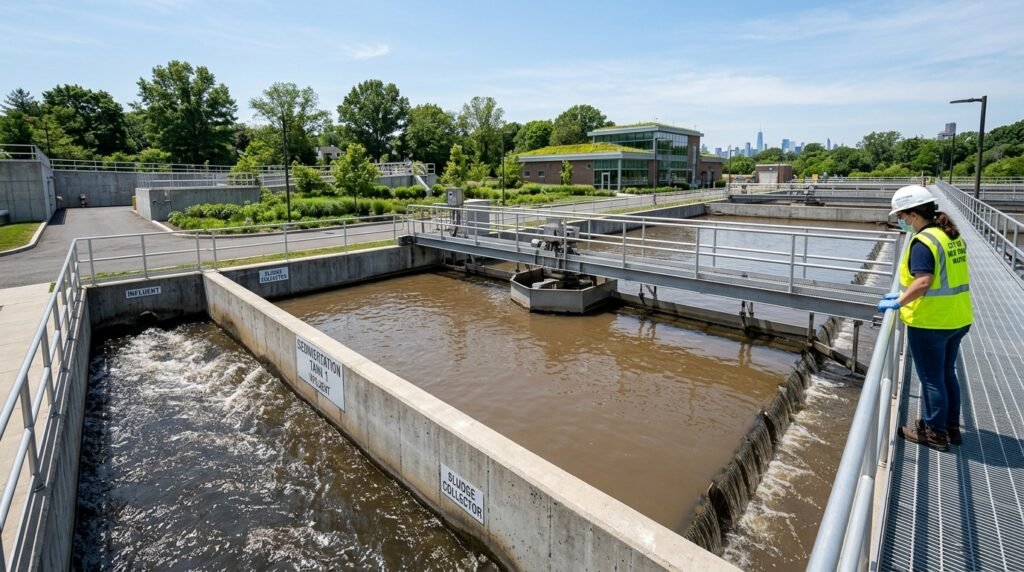
What is Sedimentation in Water Treatment?
[Image of sedimentation process in water treatment plant]
Sedimentation in water treatment is a foundational physical process designed to remove suspended solids from water. By allowing water to remain relatively still or flow at exceptionally low velocities, gravity pulls heavier, solid particles down to the bottom of a basin or tank. This separation phase is the cornerstone of the sedimentation process in water treatment. As an experienced water treatment products supplier and manufacturer, we engineer systems that maximize this natural gravitational settling, ensuring cleaner, safer water is delivered to subsequent purification stages.
The Principles of Sedimentation
The physics behind water treatment sedimentation rely on the contrast between the density of water and the solid impurities it carries. When untreated water enters a calm clarification zone, the principles of sedimentation take effect through three main mechanisms:
- Gravitational Pull: Solid particles denser than water overcome fluid friction and naturally sink to the tank floor.
- Velocity Reduction: Dramatically slowing the influent flow prevents turbulence, preventing settled particles from resuspending.
- Flocculation Integration: The process is frequently paired with coagulants that bind microscopic impurities into heavier \”flocs,\” drastically accelerating the settling rate.
Why is Sedimentation Important?
Implementing a highly efficient sedimentation process in water treatment plant operations is critical for facility longevity and cost control. It acts as the primary line of defense, significantly reducing the particulate load before the water reaches highly sensitive, expensive filtration systems.
Key Benefits of Sedimentation:
- Protects Downstream Equipment: Effectively prevents the premature clogging and wear of fine filters, reverse osmosis membranes, and pumps.
- Reduces Operational Costs: Lowers maintenance frequency, minimizes the need for excessive backwashing, and reduces overall energy consumption.
- Enhances Water Quality: Rapidly strips out high volumes of turbidity, organic matter, and harmful pathogens bound to solid particulates.
Understanding Sedimentation Theory and Settling Types
As a dedicated water treatment products supplier and manufacturer, we know that gravity is the hardest worker in any sedimentation water treatment setup. However, not all particles sink the same way. To design an efficient system, we categorize the sedimentation process in a water treatment plant into four distinct settling types.
Discrete Particle Free Settling
Often called Type 1 settling, this occurs when particles settle completely independently.
- No shape-shifting: Particles do not stick together or change mass as they fall.
- Constant speed: They drop at a predictable, steady rate.
- Common examples: Sand, heavy grit, and large inorganic solids settling at the very start of the process.
Flocculent Settling
Type 2 settling happens when suspended particles clump together as they sink.
- Increasing mass: As particles merge, they get heavier and drop much faster.
- Chemical assistance: To accelerate this, facilities rely on precise chemical dosing. Adding an effective flocculant for water treatment helps bind these tiny solids into heavy, easily removable masses.
Zone or Hindered Settling
Type 3 settling takes place in environments with a high concentration of solids.
- The \”Blanket\” effect: Particles are packed so tightly that they restrict each other from falling freely.
- Mass movement: Instead of sinking individually, they settle down as one unified zone or blanket, effectively pushing clear water upward.
Compression Settling
Type 4 settling happens at the very bottom of the sedimentation tank.
- Physical pressure: The sheer weight of the descending particle layers physically crushes the solids underneath.
- Water displacement: This heavy compression squeezes out the trapped water, leaving behind a thick, dense sludge that is ready for extraction.
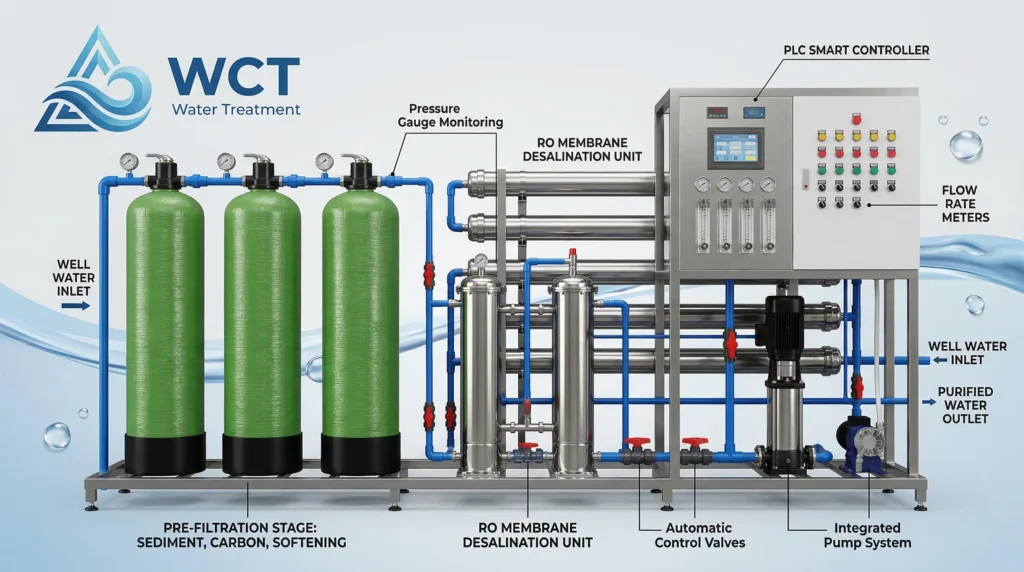
Common Types of Sedimentation Tanks and Clarifiers
As a water treatment products supplier and manufacturer, we know that selecting the right equipment is the backbone of an efficient sedimentation process in water treatment. Depending on your site footprint, budget, and daily water volume, different tank designs offer unique advantages. Here is a breakdown of the most reliable clarifiers used globally.
Horizontal Flow Tanks
This is the traditional workhorse for standard sedimentation water treatment. Water flows slowly into one end of a rectangular basin and out the other, giving gravity enough time to pull suspended solids to the bottom.
- Design: Simple, long, and rectangular.
- Maintenance: Straightforward to clean and operate.
- Best For: Facilities with plenty of available land space.
Radial Flow Tanks
Typically circular in design, water enters the center of the tank and flows outward toward the perimeter edges. As the water spreads out, its flow velocity drops, allowing particles to settle effectively.
- Key Feature: Features built-in rotating scrapers that continuously push settled sludge into a central collection hopper.
- Application: Widely relied upon as primary clarifiers in a large-scale sedimentation process in water treatment plant.
Inclined Tube and Plate Settlers
When facility space is tight, these systems are the ultimate upgrade. By installing angled tubes or parallel metal plates inside a tank, you instantly multiply the available settling surface area without increasing the physical footprint of the basin.
- Efficiency: Drastically speeds up overall water treatment sedimentation.
- Benefit: Perfect for retrofitting older tanks to handle higher flow rates and finer particles.
Ballasted Sedimentation and Settling Ponds
Different environments require vastly different settling strategies.
- Ballasted Sedimentation: This high-speed method adds heavy micro-particles (like fine sand) to the water to weigh down flocs, causing them to settle almost instantly. Great for sudden spikes in turbidity.
- Settling Ponds: Large, low-energy basins that utilize natural gravity over extended periods. If you manage large outdoor retention basins, integrating reliable pond water treatment solutions helps maintain optimal water quality and prevents algae or organic buildup during the extended settling phase.

Key Applications of Sedimentation
As a water treatment products supplier and manufacturer, we design systems that integrate seamlessly into diverse environments. A reliable sedimentation water treatment setup is a universal necessity across multiple sectors to remove solid waste and clarify liquids efficiently.
Potable Water Purification
Producing safe drinking water starts with removing suspended particles from natural sources like lakes or rivers. Sedimentation in water treatment guarantees the water is clear enough for the final stages of purification.
- Reduces Turbidity: Rapidly drops heavy dirt, sand, and silt out of the water column.
- Protects Downstream Filters: Prevents the rapid clogging of fine, expensive filtration membranes.
- Prepares for Disinfection: After solids are cleared, facilities often implement advanced UV treatment for water to guarantee complete microbiological safety.
Primary and Secondary Municipal Wastewater Treatment
City sewage networks rely heavily on the sedimentation process in water treatment plant layouts to manage massive daily flow volumes.
- Primary Clarification: Settles out heavy organic solids and raw sludge immediately as sewage enters the facility.
- Secondary Clarification: Removes biological floc (active bacteria) created during the aeration phase, ensuring clear effluent discharge.
- System Integration: Reviewing a standard process flow diagram for a water treatment plant illustrates exactly where these crucial settling basins are positioned to maximize overall system efficiency.
Industrial Wastewater Treatment
Manufacturing facilities, mines, and chemical processing plants generate highly complex waste streams. Applying water treatment sedimentation in these environments is strictly about environmental compliance and operational efficiency.
- Heavy Metal Removal: Captures precipitated metals efficiently after chemical dosing adjustments.
- Resource Recovery: Allows valuable raw materials or byproducts to settle out for factory reuse.
- Regulatory Compliance: Ensures that discharged industrial wastewater meets strict global environmental safety standards before leaving the site.
Design and Operation of Sedimentation Water Treatment Systems
As a leading water treatment products supplier and manufacturer, we design systems that deliver consistent results. The success of the sedimentation process in water treatment comes down to precise engineering and reliable daily operation.
Tank Geometry, Flow Rate, and Detention Time
The physical dimensions and flow dynamics of your tank dictate how well suspended solids settle.
- Tank Geometry: Whether rectangular or circular, the shape must distribute water evenly to prevent dead zones and short-circuiting.
- Flow Rate: Water velocity must stay low. If it moves too fast, turbulence will stir up particles that have already settled.
- Detention Time: This is the total time water spends inside the tank. Adequate time ensures even the smallest, lightest particles have a chance to hit the bottom.
Chemicals Used in Sedimentation Clarification
Gravity alone isn\’t always enough. In a typical sedimentation process in water treatment plant setup, we introduce coagulants and flocculants. These agents force tiny, suspended particles to bind together into larger, heavier clumps (flocs) that sink rapidly. Selecting the correct water treatment chemical is critical for speeding up the water treatment sedimentation cycle and maximizing water clarity.
Sludge Removal and Thickening Systems
Everything that settles to the bottom forms a layer of sludge. If left unmanaged, sludge builds up and reduces the effective volume of your tank.
- Continuous Removal: Automated mechanical scrapers slowly push the accumulated sludge into a collection hopper without disturbing the clean water above.
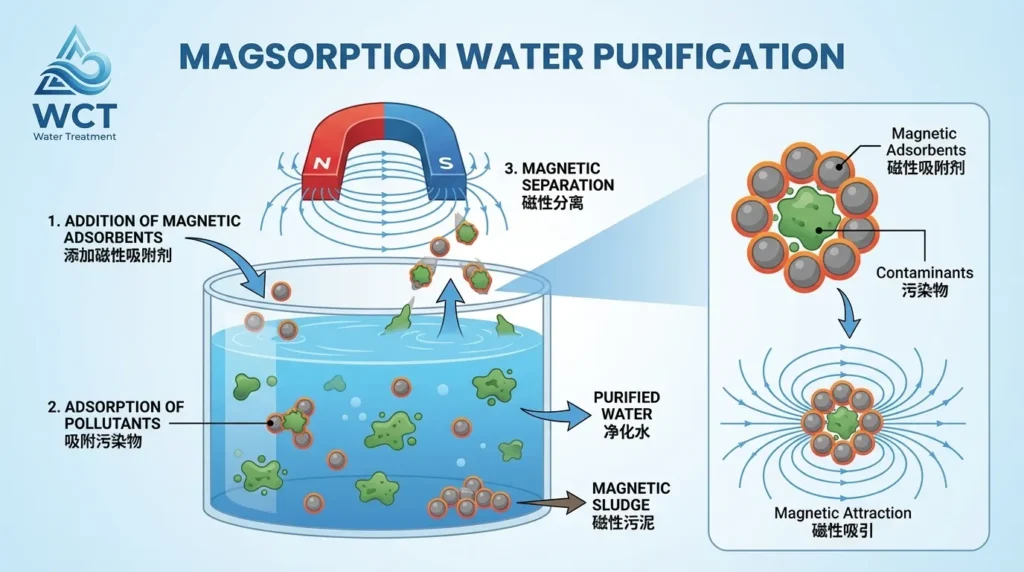
- Volume Reduction: Sludge thickening mechanisms compress the collected waste, squeezing out trapped water. This reduces the overall volume, cutting down on disposal and handling costs. For complex industrial applications, integrating rapid separation techniques like micro-magsorption water treatment can further optimize solid waste management and overall system footprint.
Choosing the Right System and Future Trends
As a trusted water treatment products supplier and manufacturer, we know that setting up the right sedimentation water treatment system is crucial for long-term operational success. The landscape of water clarification is evolving fast, so picking the right setup today means preparing your facility for the demands of tomorrow.
How to Select the Right Sedimentation Equipment
Finding the perfect match for your sedimentation process in a water treatment plant comes down to evaluating your specific site requirements.
- Flow Rates and Capacity: Match the tank geometry and size directly to your daily water volume to ensure adequate detention time.
- Particle Characteristics: Heavy industrial solids require different scraping mechanisms and settling depths compared to light municipal organics.
- Available Footprint: If space is tight, inclined tube settlers or plate clarifiers offer a much smaller footprint than traditional radial or horizontal tanks.
- System Compatibility: Ensure your new clarifier integrates smoothly into the broader process of water treatment without causing hydraulic bottlenecks.
Advanced Technologies and Sustainable Practices
The future of the sedimentation process in water treatment relies heavily on sustainability. Modern facilities are actively reducing their environmental impact while simultaneously boosting processing efficiency.
- Energy-Efficient Drives: Upgrading to low-power sludge scrapers and optimized pumping systems to dramatically cut down facility electricity costs.
- Eco-Friendly Chemistry: Transitioning to biodegradable coagulants and flocculants to speed up water treatment sedimentation without leaving harmful residuals.
- Maximized Water Recovery: Improving sludge thickening protocols to recover a higher percentage of clean water, thereby reducing overall waste disposal volumes.
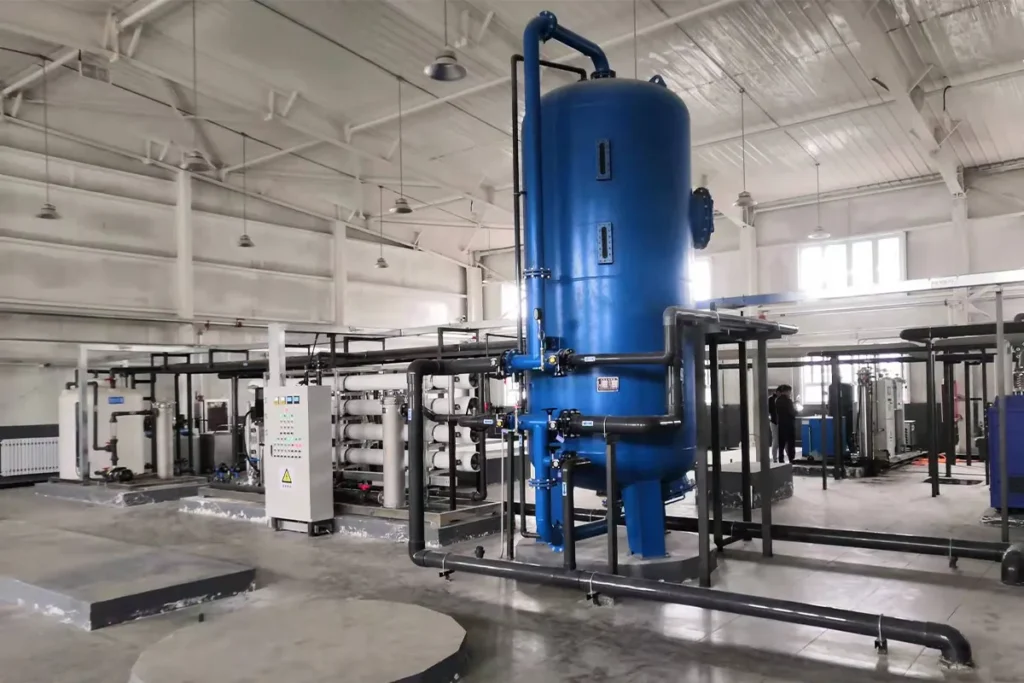
Digitalization and SCADA Integration
You cannot discuss modern sedimentation in water treatment without highlighting the shift toward smart technology and automation.
Real-Time Automated Monitoring: Advanced sensors continuously track turbidity, flow rates, and sludge blanket levels, removing the guesswork from daily operations.
SCADA Systems: Integrating your clarifiers into a central Supervisory Control and Data Acquisition (SCADA) dashboard allows operators to adjust chemical dosing and flow parameters instantly from a control room.
- Flow Rates and Capacity: Match the tank geometry and size directly to your daily water volume to ensure adequate detention time.
- Particle Characteristics: Heavy industrial solids require different scraping mechanisms and settling depths compared to light municipal organics.
- Available Footprint: If space is tight, inclined tube settlers or plate clarifiers offer a much smaller footprint than traditional radial or horizontal tanks.
- System Compatibility: Ensure your new clarifier integrates smoothly into the broader process of water treatment without causing hydraulic bottlenecks.
Advanced Technologies and Sustainable Practices
The future of the sedimentation process in water treatment relies heavily on sustainability. Modern facilities are actively reducing their environmental impact while simultaneously boosting processing efficiency.
- Energy-Efficient Drives: Upgrading to low-power sludge scrapers and optimized pumping systems to dramatically cut down facility electricity costs.
- Eco-Friendly Chemistry: Transitioning to biodegradable coagulants and flocculants to speed up water treatment sedimentation without leaving harmful residuals.
- Maximized Water Recovery: Improving sludge thickening protocols to recover a higher percentage of clean water, thereby reducing overall waste disposal volumes.
Digitalization and SCADA Integration
You cannot discuss modern sedimentation in water treatment without highlighting the shift toward smart technology and automation.
Real-Time Automated Monitoring: Advanced sensors continuously track turbidity, flow rates, and sludge blanket levels, removing the guesswork from daily operations.
SCADA Systems: Integrating your clarifiers into a central Supervisory Control and Data Acquisition (SCADA) dashboard allows operators to adjust chemical dosing and flow parameters instantly from a control room.
Predictive Maintenance: Smart algorithms analyze equipment data to issue alerts before scraper blades wear out or pumps fail. This keeps your entire industrial water treatment process
Flow Rates and Capacity: Match the tank geometry and size directly to your daily water volume to ensure adequate detention time.
Particle Characteristics: Heavy industrial solids require different scraping mechanisms and settling depths compared to light municipal organics.
Available Footprint: If space is tight, inclined tube settlers or plate clarifiers offer a much smaller footprint than traditional radial or horizontal tanks.
System Compatibility: Ensure your new clarifier integrates smoothly into the broader process of water treatment without causing hydraulic bottlenecks.
Advanced Technologies and Sustainable Practices
The future of the sedimentation process in water treatment relies heavily on sustainability. Modern facilities are actively reducing their environmental impact while simultaneously boosting processing efficiency.
- Energy-Efficient Drives: Upgrading to low-power sludge scrapers and optimized pumping systems to dramatically cut down facility electricity costs.
- Eco-Friendly Chemistry: Transitioning to biodegradable coagulants and flocculants to speed up water treatment sedimentation without leaving harmful residuals.
- Maximized Water Recovery: Improving sludge thickening protocols to recover a higher percentage of clean water, thereby reducing overall waste disposal volumes.
Digitalization and SCADA Integration
You cannot discuss modern sedimentation in water treatment without highlighting the shift toward smart technology and automation.
- Real-Time Automated Monitoring: Advanced sensors continuously track turbidity, flow rates, and sludge blanket levels, removing the guesswork from daily operations.
- SCADA Systems: Integrating your clarifiers into a central Supervisory Control and Data Acquisition (SCADA) dashboard allows operators to adjust chemical dosing and flow parameters instantly from a control room.
- Predictive Maintenance: Smart algorithms analyze equipment data to issue alerts before scraper blades wear out or pumps fail. This keeps your entire industrial water treatment process running smoothly and prevents costly, unexpected downtime.