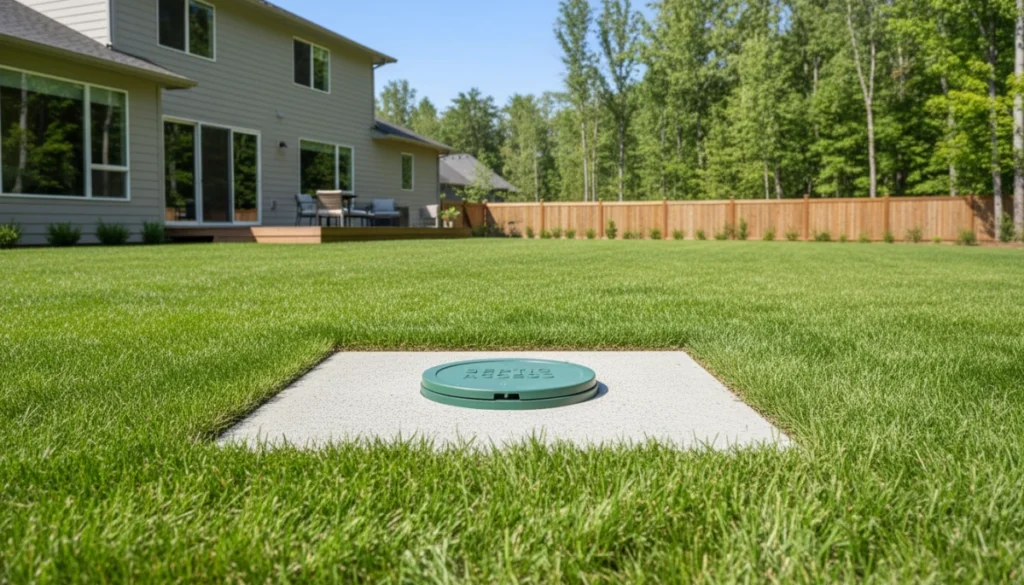
How Often Does a Septic Tank Need to Be Pumped?
Maintaining a healthy wastewater system starts with knowing exactly how often do a septic need to be pumped. As a dedicated water treatment products supplier and manufacturer, we know that ignoring this crucial maintenance step inevitably leads to severe property damage. A well-maintained system operates silently and efficiently, but achieving this requires strict adherence to a professional pumping schedule. Leaving your system to chance is never an option.
General Pumping Frequency Guidelines
The industry standard rule is straightforward, but it requires diligent tracking. Most residential septic systems require professional pumping every 3 to 5 years. However, this is merely a baseline. When determining exactly how often should a septic system be pumped, you must evaluate the specific dynamics of your property.
Here is a standard breakdown to help you gauge your timeline:
- Every 1 to 2 Years: Required for homes with heavy water usage, large families, garbage disposal usage, or undersized tanks.
- Every 3 to 5 Years: The standard interval for an average household of four utilizing a standard 1,000-gallon tank.
- Every 5+ Years: Applicable only for single occupants, seasonal vacation homes, or properties with extremely minimal daily water usage.
Understanding how often do you need septic tank pumped ensures you never push your system past its breaking point.
Why Regular Pumping is Essential
Pumping is not just a casual recommendation; it is a structural necessity for your home. Over time, solid waste settles at the bottom of the tank to form sludge, while lighter oils and grease float to the top to create a scum layer. The clear water in the middle, known as effluent, exits into the drainfield. If you fail to schedule routine maintenance, that delicate balance is destroyed.
Here is why adhering to a strict pumping schedule is non-negotiable:
- Prevents Drainfield Failure: If sludge levels rise too high, solid waste escapes into the drainfield. This clogs the soil, stops absorption, and causes catastrophic system failure.
- Avoids Exorbitant Repairs: Routine pumping costs a fraction of what you will pay to excavate and replace a completely ruined drainfield or a cracked tank.
- Protects Property Value: A failing septic system drastically reduces property appeal and market value. Buyers will walk away from a compromised waste system.
- Ensures Health and Safety: Overflowing sewage introduces dangerous pathogens, bacteria, and foul odors into your yard and local groundwater.
Knowing how often to get septic pumped is your first line of defense against hazardous and expensive wastewater disasters. Consistent maintenance guarantees your system remains functional, safe, and efficient for decades.
Factors That Affect Septic Pumping Frequency
While general guidelines provide a starting point, the specific timeline for your home depends on several variables. Understanding these factors helps you determine exactly how often to get septic pumped to avoid system overloads.
Household Size and Occupancy
The number of people living in your home is the most significant factor. More people mean more showers, more toilet flushes, and more loads of laundry.
- High Occupancy: A large family generates a higher volume of wastewater and solids, requiring more frequent maintenance.
- Seasonal Use: A vacation home used only a few months a year will need pumping much less often than a primary residence.
Septic Tank Capacity
The physical size of your tank dictates how much waste it can hold before the sludge layer becomes too thick. Smaller tanks have less \”settling time,\” meaning solids don\’t have as much room to separate from the liquids. As a specialist working with high-quality septic tank China manufacturing standards, I always emphasize that an undersized tank for a large house is a recipe for frequent pumping schedules.
| Tank Size (Gallons) | Household Size (People) | Estimated Pumping Frequency |
|---|---|---|
| 1,000 | 2 | 6 Years |
| 1,000 | 4 | 2.5 Years |
| 1,500 | 4 | 4 Years |
| 1,500 | 6 | 2 Years |
Daily Water Usage Habits
The total volume of water entering the system affects how often should a septic system be pumped. If your household uses water excessively, the tank never gets a \”rest\” period.
- Water Volume: Constant water flow can stir up the sludge layer, pushing solid waste into the drainfield.
- Efficiency: Homes with low-flow toilets and high-efficiency appliances generally extend the time between service visits.
- Waste Composition: Using a garbage disposal frequently increases the amount of solid waste by up to 50%, significantly shortening the interval of how often do a septic need to be pumped.
Signs Your Septic Tank is Full and Needs Pumping
Even if you follow a strict schedule for how often do a septic need to be pumped, your system might give you warning signs that it is time for an immediate service. As a water treatment products supplier and manufacturer, we always advise property owners to watch out for these distinct red flags. Ignoring them leads to messy and expensive consequences.
Slow Draining Sinks and Toilets
When your tank is nearing capacity, wastewater struggles to flow out of your house. You will notice:
- Toilets that require multiple flushes or bubble when flushed.
- Showers and bathtubs that leave standing water.
- Sinks that take noticeably longer to empty.
If plunging or drain snakes do not fix the issue, the blockage is likely in the full tank itself.
Unpleasant Sewage Odors
A properly functioning system keeps toxic gases contained underground. If you start noticing a foul, rotten egg smell around your property, it is a clear indicator of trouble. These odors usually show up near the drain field, around the tank lid, or even coming up through your indoor drains. When you smell sewage, it is time to evaluate how often should a septic be pumped for your specific household.
Pooling Water or Overly Lush Lawn
Your drain field should look exactly like the rest of your yard. If the tank is overfilled, solid waste clogs the drain field pipes, forcing untreated wastewater to the surface. Watch for:
- Spongy, wet grass: Puddles forming when it hasn\’t rained.
- Overly green patches: Grass that grows significantly faster and greener than the surrounding lawn due to the sudden influx of fertilizer from the wastewater.
For larger commercial properties, implementing reliable integrated equipment for waste water treatment helps manage heavy loads, but for a standard residential setup, surface water means you need a pump truck immediately.
Sewage Backups in the Home
This is the ultimate system failure. When the tank has absolutely no room left, raw black water will reverse course and back up into your lowest drains, usually starting with basement bathrooms or first-floor bathtubs. This creates a severe health hazard and requires costly professional cleanup. Never wait for a backup to happen before figuring out how often do you need septic tank pumped. Stay ahead of the problem by acting on the early warning signs.
What Happens If You Don\’t Pump Your Septic System?
As a water treatment products supplier and manufacturer, we see the aftermath of neglected waste systems all the time. Ignoring how often do a septic need to be pumped leads to disastrous and costly outcomes. When solid waste builds up past the tank\’s capacity, it has nowhere to go but out into your yard or back into your house.
Expensive System Failures and Repairs
If you forget how often should a septic system be pumped, thick sludge will eventually flow out of the tank and into the drainfield. This clogs the soil absorption area, causing total system failure.
- Massive Repair Bills: Replacing a ruined drainfield or a collapsed septic tank can cost tens of thousands of dollars. Routine pumping is just a tiny fraction of that cost.
- Emergency Service Fees: Waiting until a severe backup happens means paying premium, last-minute rates for emergency pumping and indoor plumbing repairs.
Health and Environmental Hazards
A neglected septic tank does not just damage your lawn; it threatens local ecosystems and public health. Untreated sewage carries dangerous pathogens, harmful bacteria, and excess nitrates. If this toxic wastewater surfaces or seeps too deep into the earth, it contaminates the local groundwater. If your property relies on a well water treatment system, a failing septic tank nearby can easily cross-contaminate your fresh drinking water supply, putting your family at serious risk.
Decreased Property Value
A functional waste system is a basic expectation for any property. If you are unsure how often do you have septic tank pumped and simply let the system degrade over the years, it directly impacts your real estate investment.
- Failed Home Inspections: Professional home inspectors will catch a failing drainfield or an overfilled tank immediately during a property evaluation.
- Lost Real Estate Sales: Potential buyers will either walk away from the deal entirely or demand a massive price reduction to cover the heavy cost of a brand-new septic installation.

Preventative Maintenance Tips to Extend Pumping Intervals
As a water treatment products supplier and manufacturer, we constantly hear the question of how often do a septic need to be pumped. While the general rule is every three to five years, how you treat your system on a daily basis plays a massive role in that timeline. Smart daily habits can keep your system running smoothly and safely extend the time between service calls.
Conserving Water in the Home
Every drop of water that goes down your drains ends up in your septic tank. When you use too much water at once, it flushes solid waste into the drainfield before it has a chance to properly break down.
- Fix leaks fast: A running toilet or dripping faucet can add hundreds of gallons of excess water to your system each week.
- Stagger water usage: Avoid doing all your laundry in one day. Spread heavy water usage out over the week to give your tank time to process the wastewater.
- Upgrade fixtures: Install high-efficiency showerheads and toilets to significantly reduce your daily water load. For larger commercial setups dealing with heavy wastewater loads, integrating advanced polymer water treatment solutions can help optimize solid separation and reduce system strain.
Protecting Your Drainfield
Your drainfield is the final and most critical stop for your wastewater. If the soil becomes compacted or flooded, it won\’t matter how often you have septic tank pumped—the entire system will back up.
- Keep heavy weight off: Never park cars, trucks, or heavy machinery over your drainfield or septic tank.
- Watch what you plant: Only plant grass over your septic system. The roots from trees and large shrubs will actively seek out the moisture and crush or clog your underground pipes.
- Reroute rainwater: Make sure roof gutters, sump pumps, and landscape drainage are directed far away from the drainfield area to prevent the soil from becoming waterlogged.
Being Mindful of What Goes Down the Drain
Your septic system relies on a delicate balance of living bacteria to break down organic waste. Flushing the wrong materials destroys this bacteria and rapidly builds up solid sludge, directly impacting how often do your septic tank need to be pumped.
- Ditch the garbage disposal: Ground-up food scraps add a massive amount of solid waste and grease to your tank. Start a compost pile instead.
- Avoid harsh chemicals: Pouring bleach, heavy chemical drain cleaners, and excess antibacterial soaps down the drain will kill the beneficial bacteria your tank needs to function.
- Flush only waste and toilet paper: Never flush paper towels, feminine hygiene products, dental floss, or wipes. Even wipes labeled as \”flushable\” do not break down in a septic tank and will cause severe, expensive clogs.