If you\’re looking to optimize your wastewater treatment tank setup, you’ve come to the right place. Understanding how these tanks work—from the primary settlement stage to bioreactors and efficient effluent discharge—is key to selecting the perfect system. Whether you need a traditional septic tank or an advanced aerobic system, knowing the types and their applications makes all the difference. Ready to explore cost-effective, energy-saving, and space-smart solutions? Let’s dive into everything you need to choose the right wastewater treatment tank for your unique needs.
Understanding Wastewater Treatment Tanks: How They Work
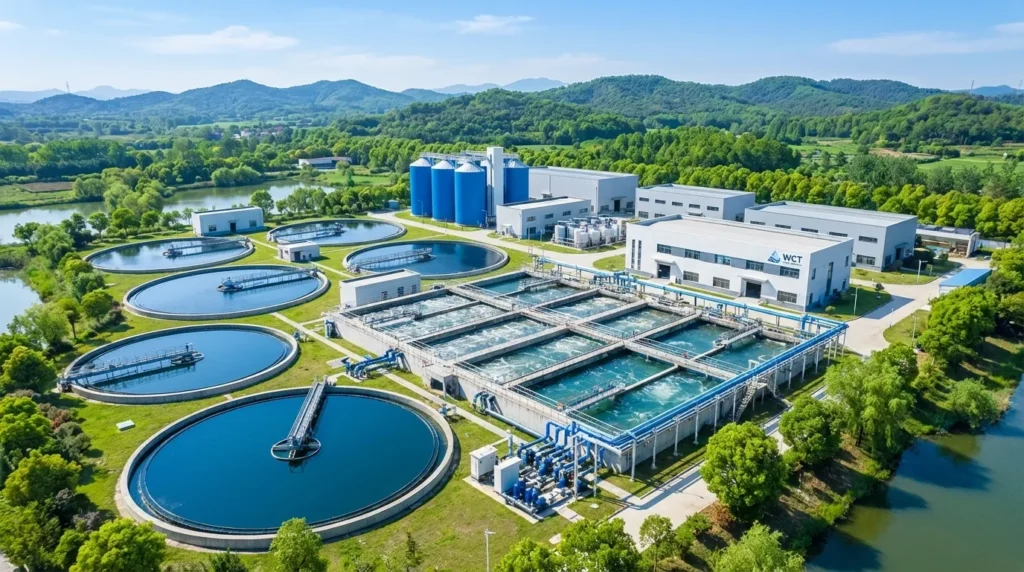
A high-quality waste water treatment tank is engineered to transform raw sewage into environmentally safe effluent through a calculated, multi-stage process. We design these systems to replicate and accelerate nature\’s own purification methods, ensuring reliable, long-term performance and strict environmental compliance.
Primary Settlement Tank Stage
The purification journey begins in the primary chamber. This foundational stage relies on gravity to separate raw wastewater components efficiently before biological treatment begins:
- Heavy Solids: Sink to the bottom of the tank to form a secure sludge layer.
- Fats and Oils: Rise to the water\’s surface, creating a protective scum layer.
- Separated Liquid: The remaining partially treated, cloudy liquid (liquor) flows seamlessly into the next chamber for advanced processing.
Bioreactor and Biological Filtration
The heart of the waste water treatment tank is the bioreactor. Here, active biological processes drastically reduce organic pollutants to purify the water.
| Process Element | Core Function |
|---|---|
| Aeration | Controlled oxygen is introduced to stimulate the growth of aerobic bacteria. |
| Bacterial Action | Hungry microorganisms consume and break down the dissolved organic matter. |
| Filtration Media | Specialized internal structures provide maximum surface area for bacterial colonies to thrive. |
Effluent Discharge
The final stage ensures the treated water is entirely safe for release. The clarified liquid passes through a final settling phase to capture any remaining suspended biological material.
Key Discharge Requirements:
- Safe Routing: The final effluent is discharged safely into a designated drain field, soakaway, or approved watercourse.
- Regulatory Compliance: The output meets or exceeds stringent local environmental and health regulations.
- Environmental Protection: Guarantees local groundwater and surrounding ecosystems remain uncontaminated by human waste.
Common Types of Wastewater Treatment Systems
When managing sewage and effluent, picking the right setup is critical. The core of any reliable system is the waste water treatment tank, but the underlying technology changes based on your daily volume, location, and environmental regulations. Here is a breakdown of the most standard setups we see in the field.
Traditional Gravity Septic Tanks
This is the classic, reliable off-grid solution. It relies on simple physics rather than moving parts or electricity.
- How it works: Gravity separates the waste. Heavy solids sink to the bottom to form sludge, while lighter fats and oils float to the top as scum. The clear liquid in the middle flows out to a drain field.
- Best for: Standard residential homes with excellent soil drainage.
- Key Benefit: Low maintenance and zero electrical costs.
Advanced Aerobic Treatment Systems
If you need much cleaner effluent or have poor soil conditions, aerobic systems step up the game. We inject oxygen directly into the waste water treatment tank to supercharge the bacteria that consume the waste.
- High Efficiency: Breaks down organic matter much faster than standard gravity systems.
- Clean Output: Ideal for environmentally sensitive areas or properties near water bodies.
- System Integration: For commercial sites requiring strict discharge compliance, we frequently pair these systems with an automated powder liquid dosing system to precisely manage chemical balancing and flocking processes.
Non-Electric and Modular Tanks
These units offer high-efficiency filtration without adding to your monthly power bill. They use specialized engineered media to filter and clean the wastewater naturally.
- Eco-Friendly: Relies on natural airflow and passive filtration rather than blowers or pumps.
- Scalable: The modular design allows you to expand your system easily if your capacity needs grow in the future.
- Space-Saving: Compact and self-contained, making them a perfect fit for tight lots, small footprints, or remote off-grid locations.
<h2>Key Applications for Sewage Treatment Tanks</h2>
We deploy our wastewater systems across a diverse range of environments globally. Whether you are managing daily domestic sewage or heavy commercial effluent, integrating a reliable <a href=\”https://wxwatertech.com/water-treatment-tank/\”>waste water treatment tank</a> is essential for basic sanitation and environmental compliance. Here is where these systems deliver the most value.
<h3>Residential Homes and Communities</h3>
Municipal sewer lines do not reach everywhere. For off-grid properties and rural neighborhoods, decentralized systems provide essential, safe sanitation.
- Single-Family Homes: Ideal upgrades for outdated or failing gravity septic setups.
- Housing Developments: Scalable tanks that process collective neighborhood effluent efficiently.
- **RemoteRemote Cabins: Low-maintenance, durable tanks designed for isolated locations.
<h3>Commercial and Institutional Facilities</h3>
Public facilities and businesses generate consistent, high-volume wastewater. We rely on heavy-duty, large-capacity tanks to handle these relentless daily flows.
- Schools and Campuses: Engineered to manage aggressive usage spikes during standard operating hours.
- Hospitals and Clinics: Strict containment for safe, compliant biological breakdown.
- Office Parks: Independent sewage processing for commercial sites located outside city infrastructure grids.
<h3>Restaurants, Hotels, and Lodges</h3>
The hospitality sector battles intense peak water usage and heavy organic waste. Pairing a robust primary tank with a <a href=\”https://wxwatertech.com/wct-sand-media-filter-for-sewage-treatment/\”>sand media filter for sewage treatment</a> ensures these businesses operate cleanly without disruptive odors or system backups.
- Hotels and Resorts: High-efficiency processing for high-turnover guest bathrooms and massive commercial laundry loads.
- Restaurants: Systems specifically built to handle elevated levels of organics and daily wash-down water.
- Eco-Lodges: Sustainable, low-impact discharge solutions to protect sensitive local groundwater and soil.
Features and Advantages of Modern Waste Water Treatment Tanks
Modern waste water treatment tank systems have evolved significantly. We build them to be smarter, smaller, and much cheaper to operate over their entire lifespan.
Cost-Saving and Energy Efficiency
- Low Power Consumption: Upgraded aeration systems use specialized, highly efficient blowers that draw minimal electricity.
- Reduced Maintenance: Tough, corrosion-resistant materials mean fewer emergency repairs, saving you money year after year.
Self-Contained and Space-Saving Designs
Land availability is a challenge globally, whether for a home or a business. That is why we focus on compact, all-in-one structures. A smart water treatment plant design integrates primary settlement, aeration, and clarification into a single, reduced footprint. This saves valuable property space and makes installation incredibly fast.
Advanced Filtration Media and Odor Control
Nobody wants a system that smells. We utilize high-surface-area biological media to rapidly break down organics. By pairing this process with a reliable precision filter for water treatment, we ensure the final effluent is exceptionally clear and foul odors are completely trapped and neutralized before they ever reach the surface.
Modern vs. Traditional Systems
| Feature | Modern Waste Water Treatment Tank | Traditional System |
|---|---|---|
| Footprint | Extremely compact | Requires massive drain fields |
| Odor | Sealed and filtered (Odorless) | High risk of foul smells |
| Operating Cost | Highly efficient | Costly frequent pump-outs |
How to Choose the Right Waste Water Treatment Tank
Picking the right waste water treatment tank is critical for safe and reliable sewage management. It requires matching your property\’s specific needs with the right technology.
Sizing, System Design, and Capacity Needs
Size dictates performance. A tank that is too small will fail and back up, while an oversized one wastes money. When designing your setup, calculate the daily water usage based on building occupancy, water fixtures, and peak flow times. If you are managing an off-grid or rural property, ensuring your wastewater capacity aligns with your incoming water treatment for well system keeps your entire water cycle balanced and efficient.
Key sizing factors to evaluate:
- Daily Flow Rate: Calculate based on gallons or liters per day.
- Physical Footprint: Assess the available land space for both the tank and the drain field.
- Ground Conditions: Soil type and water table depth dictate the necessary system design.
NSF Certification and Regulatory Compliance
Never compromise on compliance. Your waste water treatment tank must meet strict local and national environmental regulations. Look for industry-standard ratings like NSF/ANSI 40, which verifies that the residential wastewater treatment system effectively reduces pollutants. This certification proves the hardware protects local groundwater and public health. Passing local health department inspections is mandatory, so always verify your municipal codes before making a final purchase.
Evaluating Septic System Alternatives
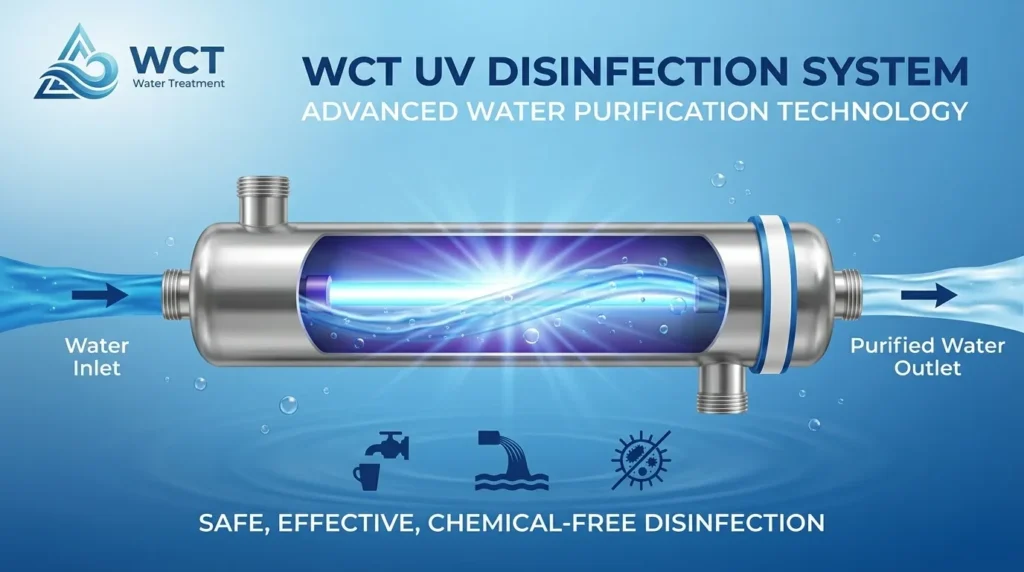
Traditional gravity septic tanks do not work in every environment. Poor soil drainage, high water tables, or strict environmental protections often require a more advanced approach. Modern alternatives process sewage faster, produce cleaner effluent, and take up significantly less space. In highly regulated areas, these advanced aerobic systems frequently incorporate an ultraviolet water treatment system to fully sterilize the final effluent before it is discharged into the environment.
Comparing Your Options:
| System Type | Best Application | Key Advantage |
|---|---|---|
| Traditional Septic | Large properties with deep, well-draining soil | Low maintenance, zero electricity costs |
| Aerobic Treatment (ATU) | Small lots, poor soil, or near water bodies | Highly purified effluent, compact footprint |
| Modular Systems | Commercial facilities or growing communities | Easily scalable, fast to install |