
Choosing the right septic tank company is one of the most critical decisions you will make for your property’s long-term infrastructure. A mistake here doesn’t just lead to bad odors—it leads to thousands of dollars in failed leach field design and environmental fines.
Whether you are a developer breaking ground or a homeowner replacing an aging sewage disposal unit, you need more than just an installer; you need a partner who understands the science of wastewater treatment.
In this guide, I’m going to break down exactly how to evaluate a septic tank company based on technical engineering, environmental compliance, and material integrity. You’ll learn why the \”cheapest\” option often results in the highest total cost of ownership, and how WCT leverages advanced anaerobic digestion technology to ensure system longevity.
If you’re looking for a high-performance wastewater treatment system that meets rigorous structural load ratings, you’re in the right place.
Let’s dive right in.
Understanding the Septic Tank Company Landscape
Navigating the wastewater industry requires a clear understanding of the different roles played by various service providers. When you search for a septic tank company, you are likely looking for one of four distinct types of expertise. Identifying the right partner ensures your wastewater treatment system is built to last and remains compliant with local regulations.
The Manufacturer & Supplier (WCT)
As a premier septic tank supply company, we focus on the engineering and fabrication of the core infrastructure. At WCT, we specialize in high-performance sewage disposal units designed for the global market. Our role is to provide the hardware—durable, high-capacity tanks that serve as the foundation for any residential or industrial project.
- Core Focus: Material science, structural integrity, and anaerobic digestion efficiency.
- Value Add: We provide the technical specifications and high-grade materials required for long-term reliability.
The Installation & Construction Company
A septic tank construction company or septic tank setup company is responsible for the physical labor and site preparation. They translate septic system blueprints into a functional reality.
- Key Tasks: Excavation, site leveling, and connecting the tank to the drainage lines.
- Expertise: Understanding soil percolation tests and ensuring the leach field design matches the property’s topography.
The Maintenance & Plumbing Company
A septic tank plumbing company or septic tank and line company focuses on the ongoing operational health of your system. These are the professionals you call for routine inspections or emergency repairs.
- Primary Services: Pumping, cleaning, and effluent filter maintenance.
- Specialization: Clearing blockages and ensuring the distribution lines are free of debris.
The Management Company
For large-scale developments or industrial sites, a septic tank management company provides high-level oversight. They act as a septic tank system company that coordinates between manufacturers, installers, and regulatory bodies.
- Responsibility: Monitoring environmental compliance and managing long-term service contracts.
- Function: Ensuring that the entire residential sewage management strategy meets local health codes and environmental standards.
| Company Type | Primary Role | When to Hire |
|---|---|---|
| Manufacturer (WCT) | Engineering & Supply | When sourcing high-quality, durable tanks. |
| Construction/Setup | Installation | When breaking ground on a new property. |
| Plumbing/Maintenance | Repair & Cleaning | When the system is backed up or needs a 3-year pump. |
| Management | Oversight | When managing multiple units or complex industrial sites. |
Key Standards for Evaluating a Septic Tank Company
As a specialized septic tank company, we understand that the manufacturing quality of a tank is the single most important factor in the longevity of a wastewater treatment system. When evaluating a manufacturer, the focus must remain on engineering precision and material durability rather than just the lowest bid.
Material Excellence: Concrete vs. Fiberglass vs. HDPE
The material of the tank dictates its resistance to corrosion and soil shifts.
- Concrete: Traditional and heavy, but prone to joint leaks and microbial induced corrosion over time.
- Fiberglass: Lightweight and strong, though it can be susceptible to cracking if the backfilling process isn\’t perfect.
- HDPE (High-Density Polyethylene): We prioritize HDPE septic tanks because they are chemically inert, 100% watertight, and flexible enough to handle ground movement without fracturing.
Structural Integrity and Soil Pressure
A high-quality septic tank company must guarantee a superior structural load rating. The tank must withstand the immense lateral pressure of saturated soil and the vertical weight of the overburden. We engineer our tanks with reinforced ribbing to prevent collapse or deformation, even in areas with a high water table. Our commitment to quality is reflected across our entire range of water treatment products designed for harsh environments.
Compliance and Innovative Design
Meeting environmental health codes is non-negotiable. A professional manufacturer ensures every unit is certified for local and international safety standards. Furthermore, innovative design features—such as integrated baffles and advanced filtration—set a premium system apart.
- Effluent Filters: High-performance tanks include built-in filters to catch suspended solids.
- Ease of Maintenance: Simplified access points make effluent filter maintenance faster and more cost-effective for the homeowner.
- Watertight Seals: Precision-molded inlets and outlets prevent groundwater infiltration, which is the leading cause of system backups.
Essential Services Every Professional Septic Tank Company Must Deliver
As a dedicated septic tank company, we recognize that a high-performing wastewater treatment system requires more than just a quality tank. It demands a suite of professional services that ensure the system integrates perfectly with your site’s unique geography and local regulations. We provide end-to-end support, from the first shovel in the ground to long-term technical guidance.
Comprehensive Site Evaluation and Soil Percolation
Before any equipment is moved, we conduct a thorough soil percolation test to determine the absorption rate of your land. This step is critical for effective leach field design and prevents future system failures. We analyze the water table depth and soil composition to ensure your sewage disposal unit will function efficiently without contaminating local groundwater.
| Service Phase | Key Deliverables |
|---|---|
| Site Assessment | Soil perc tests, topography mapping, and water table analysis. |
| Custom Engineering | System blueprints based on peak flow rates and septic tank capacity. |
| Regulatory Liaison | Securing building permits and ensuring strict environmental compliance. |
| Technical Support | Post-installation guidance and effluent filter maintenance schedules. |
Custom System Design and Regulatory Liaison
We don\’t believe in one-size-fits-all solutions. Our team develops custom septic system blueprints tailored to your property’s specific flow rates and subsurface irrigation needs. As your partner, we handle the complex regulatory liaison process, ensuring all installations meet or exceed local health codes and environmental standards. Our expertise in specialized water treatment solutions allows us to navigate the permitting process quickly and accurately.
Post-Installation Support and Technical Guidance
Our commitment as a premier septic tank company continues long after the installation is complete. We provide detailed technical documentation and support to help you manage your residential sewage management system effectively. This includes:
- Routine Maintenance Schedules: Clear instructions on when to inspect the tank and clean filters.
- Structural Load Guidance: Information on the structural load rating of your tank covers to prevent accidental damage.
- Troubleshooting: Direct access to our technical team for any operational queries regarding anaerobic digestion efficiency or effluent distribution.
Technical Deep Dive: What Makes a High-Performance Septic System?
As a leading septic tank company, we focus on the engineering details that separate a basic holding tank from a high-performance wastewater treatment system. A superior system doesn\’t just store waste; it actively processes it to protect your property and the environment.
Anaerobic Digestion and BOD Reduction
The heart of any effective sewage disposal unit is the biological process. We design our tanks to maximize anaerobic digestion, where specialized bacteria break down organic solids. This process is measured by the reduction of Biochemical Oxygen Demand (BOD). A high-performance tank significantly lowers BOD levels before the liquid reaches the effluent distribution stage, preventing the clogging of your leach field design.
Watertightness and Seam Integrity
A septic tank is only as good as its seal. We utilize rigorous watertightness testing to ensure zero leakage. Whether dealing with high water table depth or heavy rainfall, our tanks maintain total containment. For larger projects, our 1320-gallon ribbed septic tank system features reinforced seams and a high structural load rating to prevent groundwater infiltration and structural collapse.
Performance Specifications Table
| Feature | Technical Standard | Benefit |
|---|---|---|
| Material | High-Density Polyethylene (HDPE) | Corrosion resistance & longevity |
| Filtration | Integrated Effluent Filter | Protects subsurface irrigation |
| Access | Dual Riser System | Easy effluent filter maintenance |
| Integrity | Vacuum Tested Seams | Prevents environmental contamination |
Ease of Access with Risers and Manhole Covers
Maintenance shouldn\’t be a chore. We equip our systems with heavy-duty risers and secure manhole covers that sit flush with or slightly above the ground. This design ensures:
- Rapid Inspection: Quick checks on septic tank capacity and sludge levels.
- Easy Pumping: Direct access for service vehicles without destroying your landscaping.
- Safety: Bolt-down covers that meet strict environmental compliance safety codes.
By prioritizing HDPE septic tanks with advanced septic system blueprints, we ensure that every installation functions as a reliable residential sewage management solution for decades.
Red Flags When Choosing a Septic Tank Company
Choosing the wrong septic tank company leads to expensive repairs and environmental hazards. We have seen many clients struggle with low-quality providers before switching to our professional solutions. Avoid these warning signs to protect your property and investment.
Hidden Fees and Vague Pricing
A reliable septic tank supplier provides a clear, itemized quote from the start. If a company avoids giving a firm price or hides costs for delivery and excavation, walk away. Transparent pricing ensures your wastewater treatment system does not become a financial burden later.
Unclear Structural Specifications
The structural load rating is non-negotiable. If a manufacturer cannot provide specific data on soil pressure resistance or load-bearing capacity, the tank is at risk of cracking or collapsing under ground pressure. We prioritize engineering that meets strict durability standards.
Lack of Water Treatment Expertise
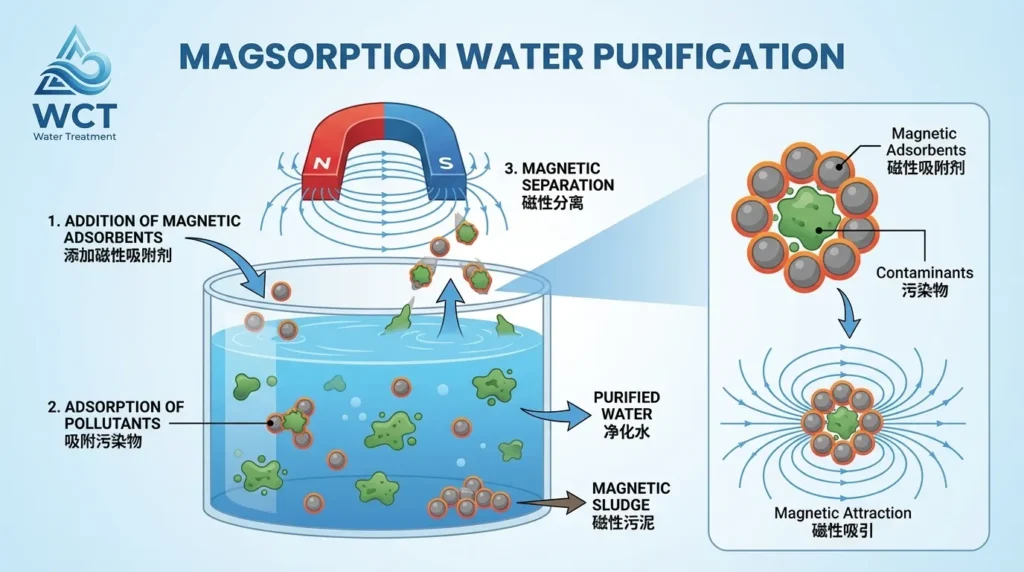
A septic tank is more than just a storage box; it is a biological processor. An absence of a proven water treatment track record is a major red flag. For advanced projects, we integrate specialized solutions like micro-magsorption water treatment to ensure high-quality effluent discharge and environmental safety.
| Red Flag | Impact on Your Project |
|---|---|
| No Transparent Pricing | Unexpected costs that can double your initial budget. |
| Vague Load Specs | High risk of tank collapse or leakage due to soil weight. |
| No Track Record | Frequent system failures and potential environmental fines. |
| Poor Documentation | Difficulty in obtaining building permits and regulatory approval. |
Absence of Performance Data
If a septic tank construction company cannot explain their anaerobic digestion efficiency or effluent quality, they likely lack the technical depth required for a long-term installation. Always demand data on BOD reduction and seam integrity before signing a contract.
The Economic Reality: Initial Cost vs. Total Cost of Ownership
When selecting a septic tank company, focusing solely on the lowest quote is a financial trap. The initial purchase price is just the tip of the iceberg; the real value lies in the total cost of ownership over twenty or thirty years. A budget-grade tank often lacks the structural integrity and filtration efficiency required to protect your property\’s most expensive component: the drain field.
- The Leach Field Failure Trap: Low-quality tanks often allow solids to bypass the internal baffles. This leads to premature clogging of the leach field design, forcing a complete and costly replacement of the subsurface irrigation area that can cost thousands more than the tank itself.
- Structural Load Rating: Cheap tanks are prone to cracking under soil pressure or shifting water tables, leading to leaks that violate environmental compliance codes and invite heavy fines.
- Operational Savings: High-grade manufacturing ensures better anaerobic digestion and cleaner effluent, significantly reducing the frequency of professional pumping and effluent filter maintenance.
Investing in a robust wastewater treatment system from a specialized septic tank supply company prevents the nightmare of \”cheap\” infrastructure. By prioritizing high-grade materials and precision engineering, you avoid the hidden costs of emergency repairs and environmental remediation. Long-term reliability is always more affordable than a recurring cycle of short-term fixes.
Why WCT Leads the Global Septic Tank Market
We have built our reputation as a premier septic tank company by combining industrial-grade engineering with practical, localized solutions. Unlike standard suppliers, our heritage is rooted in specialized water treatment manufacturing. This background allows us to apply advanced technology to every wastewater treatment system we produce, ensuring that our tanks do more than just hold waste—they actively begin the purification process.
Our competitive edge comes from a commitment to sustainable engineering and superior filtration. We focus on:
- Manufacturing Heritage: Decades of experience in water science integrated into every tank design.
- Advanced Filtration: Utilizing high-performance effluent filters to prevent solids from clogging your leach field.
- Global Logistics: A robust supply chain capable of delivering high-capacity units for industrial sites or compact systems for residential sewage management.
- Material Science: Using reinforced polymers and high-density materials that resist soil pressure and chemical corrosion.
We understand that a reliable septic tank company must provide equipment that lasts for decades, not just years. By browsing our full range of specialized water treatment products, you can see the engineering standards we apply to our septic solutions. Our systems are designed to minimize effluent filter maintenance while maximizing the lifespan of the entire drainage field, making us the preferred choice for developers and homeowners worldwide.
FAQ: Insights from a Leading Septic Tank Company
Manufacturer vs. Installer: Which do I need?
Choosing between a manufacturer and an installer depends on your project stage. As a septic tank supply company, we provide the engineered hardware—the tank itself. An installer or a septic tank construction company handles the physical excavation and pipework. For the best value, source your unit directly from a specialized manufacturer to ensure high septic tank capacity and structural integrity, then hire a local pro for the site setup.
What certifications are mandatory?
Any reliable septic tank company must provide products that meet strict industry standards. Look for:
- Environmental compliance certifications for safe wastewater discharge.
- Structural load ratings to ensure the tank survives soil pressure.
- Watertightness testing to prevent leaks into the surrounding water table.
How long does a high-quality septic tank last?
A well-manufactured system typically lasts 30 to 50 years. Longevity depends heavily on the material used and regular effluent filter maintenance. In many industrial and large-scale residential projects, we recommend integrating advanced biocide treatment for water to ensure the entire wastewater treatment system remains efficient and free of biological buildup over the decades.
What is the most durable material?
While concrete was the traditional choice, HDPE septic tanks and reinforced fiberglass are now the industry favorites. These materials offer distinct advantages:
- Corrosion Resistance: They do not degrade when exposed to harsh sewer gases.
- Ease of Installation: Lightweight designs make it easier for a septic tank setup company to install the unit without heavy-duty cranes.
- Flexibility: These materials handle shifts in water table depth and soil movement much better than rigid concrete, which is prone to cracking.