Are you tired of endlessly scrubbing chalky limescale off your shower doors and dealing with dry, brittle hair?
Dealing with hard water is a daily frustration that ruins your appliances, clogs your plumbing with mineral deposits, and irritates your skin.
As an industry-leading manufacturer at WCT, I know exactly what it takes to solve this problem permanently. I\’m going to share real, professional-grade advice that goes way beyond temporary DIY fixes.
You might already know there\’s a major difference between a traditional ion exchange water softener and a salt-free descaler… but which one actually works best for your home?
In this complete guide, you\’re going to learn exactly how to implement an effective hard water treatment strategy, step by step—from testing your grains per gallon (GPG) to choosing the perfect whole house water filter system.
So if you\’re looking to banish calcium and magnesium buildup for good, this guide is for you.
Let\’s dive right in!
Would you like me to draft the next section on \”Signs You Need a Hard Water Treatment\” using this same tone?
Signs You Need a Hard Water Treatment
Are you constantly scrubbing chalky residue off your faucets or dealing with dry, itchy skin after every shower? We understand how frustrating it is to fight an endless battle against your own tap water. As a manufacturer of premium water solutions, we see these exact struggles every day. When excess minerals take over your home, recognizing the red flags is the first step toward finding a reliable hard water treatment.
Plumbing and Appliance Damage
Hidden calcium and magnesium buildup inside your pipes acts like clogged arteries for your plumbing system. Over time, these thick plumbing mineral deposits restrict water flow and force appliances like dishwashers and water heaters to work overtime. This not only shortens their lifespan but also drives up your monthly energy bills.
Surface Stains and Limescale
If your glass shower doors and chrome fixtures look cloudy no matter how much you scrub, hard water is the culprit. That stubborn white crust around your showerhead requires constant limescale removal. A quality hard water treatment stops this crusty buildup at the source, saving you from daily scrubbing.
Skin and Hair Issues
Your daily shower should feel refreshing, not leave you reaching for extra lotion and deep conditioners. Hard water skin irritation happens because mineral-heavy water strips away natural oils and leaves a soapy film on your body. Similarly, hard water hair damage leads to dry, brittle, and lifeless hair that constantly tangles.
Laundry Woes
Hard water makes it nearly impossible for your laundry detergent to lather properly. Instead of washing away dirt, the soap binds with minerals and embeds right into your fabrics. Because of this, your towels feel stiff and scratchy, and your bright clothes look faded and worn out much faster than they should.
Short-Term DIY Hard Water Treatment Fixes (The \”Band-Aids\”)
Before committing to a permanent system, many people rely on quick DIY fixes to handle daily calcium and magnesium buildup. As a manufacturer in the water industry, we consider these methods temporary \”band-aids.\” They help manage the visible symptoms but do not eliminate the root cause of the hardness.
- White Vinegar Soaks: This is a classic trick for basic limescale removal. Soaking your showerheads and sink aerators in white vinegar overnight helps dissolve crusty mineral deposits on the surface.
- Lowering Water Heater Temperature: High heat speeds up the rate at which minerals solidify. Dropping your water heater\’s temperature slightly acts as a rudimentary form of scale prevention, slowing down the rate of buildup inside your pipes.
- Clarifying Hair Treatments & Shower Filters: To combat hard water hair damage and dry skin, clarifying shampoos help strip away trapped minerals. Adding a basic shower filter can also catch some debris, though it won\’t actually soften the water.
- Rinse Aids and Appliance Cleaners: Dealing with cloudy glasses and washing machine grime usually forces you to rely on expensive rinse aids and chemical appliance cleaners just to keep things looking clean.
These temporary steps can
- White Vinegar Soaks: This is a classic trick for basic limescale removal. Soaking your showerheads and sink aerators in white vinegar overnight helps dissolve crusty mineral deposits on the surface.
- Lowering Water Heater Temperature: High heat speeds up the rate at which minerals solidify. Dropping your water heater\’s temperature slightly acts as a rudimentary form of scale prevention, slowing down the rate of buildup inside your pipes.
- Clarifying Hair Treatments & Shower Filters: To combat hard water hair damage and dry skin, clarifying shampoos help strip away trapped minerals. Adding a basic shower filter can also catch some debris, though it won\’t actually soften the water.
- Rinse Aids and Appliance Cleaners: Dealing with cloudy glasses and washing machine grime usually forces you to rely on expensive rinse aids and chemical appliance cleaners just to keep things looking clean.
These temporary steps can keep your fixtures functional in the short run. However, whether you are maintaining home plumbing or managing a heavy-duty [water treatment tank](https://id.wx
- White Vinegar Soaks: This is a classic trick for basic limescale removal. Soaking your showerheads and sink aerators in white vinegar overnight helps dissolve crusty mineral deposits on the surface.
- Lowering Water Heater Temperature: High heat speeds up the rate at which minerals solidify. Dropping your water heater\’s temperature slightly acts as a rudimentary form of scale prevention, slowing down the rate of buildup inside your pipes.
- Clarifying Hair Treatments & Shower Filters: To combat hard water hair damage and dry skin, clarifying shampoos help strip away trapped minerals. Adding a basic shower filter can also catch some debris, though it won\’t actually soften the water.
- Rinse Aids and Appliance Cleaners: Dealing with cloudy glasses and washing machine grime usually forces you to rely on expensive rinse aids and chemical appliance cleaners just to keep things looking clean.
These temporary steps can keep your fixtures functional in the short run. However, whether you are maintaining home plumbing or managing a heavy-duty water treatment tank for larger applications, surface-level tricks won\’t protect your infrastructure from deep-seated plumbing mineral deposits. When you are ready to stop relying on vinegar and chemicals, upgrading to a dedicated system—especially one equipped with an efficient automatic multiport valve for seamless backwashing—is the only way to permanently protect your property.
Long-Term Hard Water Treatment: Softening vs. Conditioning
When temporary fixes stop working, it is time to invest in a permanent solution. As a manufacturer, we often see customers confused about the difference between water softening vs conditioning. Both methods deal with hard water, but they operate in completely different ways. Whether you are upgrading a single home or looking into larger plants for water treatment, understanding the core technology is critical for getting the right results.
Here is the straightforward breakdown of the most reliable long-term solutions:
Salt-Based Water Softeners (Ion Exchange)
This is the traditional, proven method to completely remove the minerals that cause calcium and magnesium buildup.
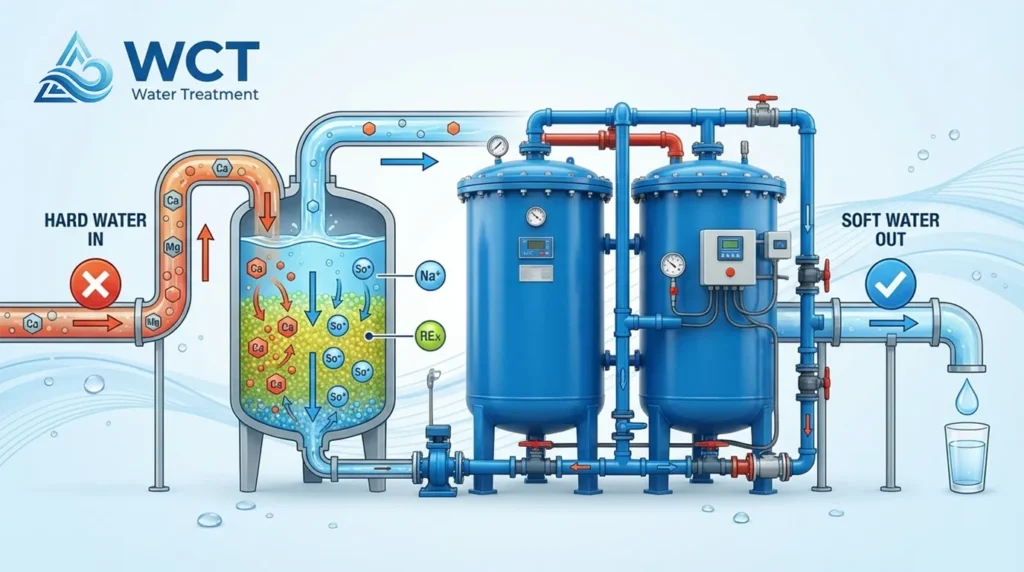
- The Process: An ion exchange water softener physically pulls hard mineral ions out of your water and swaps them with sodium or potassium ions.
- The Result: You get genuinely \”soft\” water. Soaps lather easily, laundry feels softer, and your plumbing is fully protected from mineral deposits.
Salt-Free Water Conditioners / Descalers
If you want to avoid heavy maintenance and buying bags of salt, a salt-free descaler is your best alternative.
- The Process: Instead of removing minerals, it uses technologies like Template Assisted Crystallization (TAC) to alter the structure of the minerals so they cannot crystallize.
- The Result: The minerals remain in your water, but they lose their ability to stick to surfaces. This provides excellent scale prevention for your pipes and appliances without adding sodium to your diet.
Reverse Osmosis (RO) Systems
An RO system is typically installed under the sink rather than for the whole house, but it is the ultimate upgrade for your kitchen.
- The Process: It forces water through a microscopic, semi-permeable membrane to strip out almost all dissolved solids and contaminants.
- The Result: You get premium reverse osmosis drinking water straight from the tap. We highly recommend pairing an RO filter with a whole-house softener, as soft water protects the delicate RO membrane from clogging and extends its lifespan.
How to Choose the Right Hard Water Treatment
Finding the ideal hard water treatment for your home doesn\’t have to be complicated. As a manufacturer, we see customers overspend on the wrong setups all the time. To get it right, you just need to follow a clear, three-step evaluation process.
Step 1: Test Your Water
Never guess your water quality. Start by using a reliable water hardness test kit. You need to pinpoint the exact concentration of dissolved minerals in your supply before buying any equipment.
- Measure the exact hardness level, typically calculated in grains per gallon (GPG).
- Test for secondary issues like iron, pH imbalances, or chlorine, which can easily damage certain treatment systems if left unchecked.
- City water users can review their local municipal water quality report, but private well owners must test their water independently.
Step 2: Assess Your Budget and Goals
Determine exactly what you want your hard water treatment to achieve. Your specific goals will dictate the technology you buy.
-
Targeted scale prevention: If your primary goal is to stop plumbing mineral deposits from ruining your pipes and water heater, a budget-friendly salt-free descaler might be all you need.
-
Total softening: If you want to eliminate hard water skin irritation, get brighter laundry, and completely remove calcium, an ion exchange system is required.
-
Comprehensive purification: If you want softened water plus safe drinking water, you will need a combined setup, such as a **whole house water
- Measure the exact hardness level, typically calculated in grains per gallon (GPG).
- Test for secondary issues like iron, pH imbalances, or chlorine, which can easily damage certain treatment systems if left unchecked.
- City water users can review their local municipal water quality report, but private well owners must test their water independently.
Step 2: Assess Your Budget and Goals
Determine exactly what you want your hard water treatment to achieve. Your specific goals will dictate the technology you buy.
-
Targeted scale prevention: If your primary goal is to stop plumbing mineral deposits from ruining your pipes and water heater, a budget-friendly salt-free descaler might be all you need.
-
Total softening: If you want to eliminate hard water skin irritation, get brighter laundry, and completely remove calcium, an ion exchange system is required.
-
Comprehensive purification: If you want softened water plus safe drinking water, you will need a combined setup, such as a whole house water filter system paired with a softener. When evaluating heavy-duty household needs, looking at professional [plants for water treatment](https://id.wxwatertech.
-
Measure the exact hardness level, typically calculated in grains per gallon (GPG).
-
Test for secondary issues like iron, pH imbalances, or chlorine, which can easily damage certain treatment systems if left unchecked.
-
City water users can review their local municipal water quality report, but private well owners must test their water independently.
Step 2: Assess Your Budget and Goals
Determine exactly what you want your hard water treatment to achieve. Your specific goals will dictate the technology you buy.
- Targeted scale prevention: If your primary goal is to stop plumbing mineral deposits from ruining your pipes and water heater, a budget-friendly salt-free descaler might be all you need.
- Total softening: If you want to eliminate hard water skin irritation, get brighter laundry, and completely remove calcium, an ion exchange system is required.
- Comprehensive purification: If you want softened water plus safe drinking water, you will need a combined setup, such as a whole house water filter system paired with a softener. When evaluating heavy-duty household needs, looking at professional plants for water treatment can give you a solid baseline for the standard of equipment required for reliable, long-term durability.
Step 3: Sizing the System
Proper sizing ensures your system handles your daily water demand without dropping water pressure or exhausting its filtering capacity too quickly. You calculate your required capacity by multiplying your daily household water use by your water\’s GPG.
Basic System Sizing Guide
| Household Size | Estimated Daily Water Use | Recommended System Capacity |
|---|---|---|
| 1-2 People | 150 – 300 Gallons | 24,000 – 32,000 Grains |
| 3-4 People | 300 – 400 Gallons | 32,000 – 48,000 Grains |
| 5+ People | 500+ Gallons | 48,000 – 64,000+ Grains |
Always choose a capacity that allows the system to regenerate roughly once every seven to ten days. An undersized unit will work too hard and wear out prematurely, while a massively oversized unit will waste resources.
Why Trust Professional-Grade Systems?
When dealing with stubborn hard water, quick fixes simply don\’t last. As a dedicated manufacturer of water treatment solutions, we always recommend professional-grade systems for properties facing serious calcium and magnesium buildup. While DIY methods offer temporary relief, a permanent hard water treatment system protects your entire plumbing network from the ground up.
Here is why investing in a professional setup is the smartest choice:
- True Scale Prevention: Unlike basic filters, professional systems effectively target the heavy minerals that destroy your pipes, ensuring permanent scale prevention across your whole house.
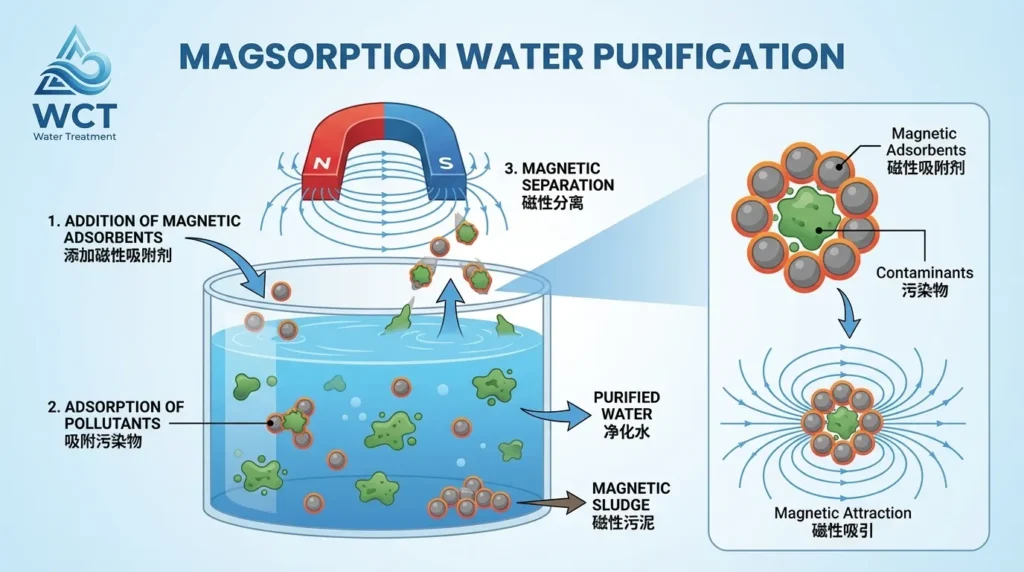
- Advanced Technologies: We engineer our equipment using the latest innovations. Whether your home requires a high-capacity ion exchange water softener or you are exploring industrial-grade magsorption water treatment systems, professional gear is built to perform without fail.
- Built for High GPG: Off-the-shelf units often break down because they cannot handle high grains per gallon (GPG) levels. Professional systems are directly calibrated to match your specific water hardness test kit results.
- Long-Term Appliance Protection: By permanently eliminating plumbing mineral deposits, you extend the lifespan of your water heater, washing machine, and dishwasher, saving thousands in early replacement costs.
Choosing commercial-quality equipment guarantees a permanent, reliable fix rather than just another temporary band-aid.
Hard Water Treatment FAQs
As a manufacturer, we constantly field questions about the best ways to tackle mineral issues in residential and commercial plumbing. Here are the facts you need to know.
Does a water filter remove hard water?
No. A standard whole house water filter system is designed to capture sediment and filter out chlorine or bad odors. It will not eliminate the dissolved minerals that cause calcium and magnesium buildup. To physically remove these minerals, you must use a dedicated hard water treatment solution, such as an ion exchange water softener.
Can hard water cause hair loss?
It does not attack the hair follicle directly, but severe hard water hair damage is a real issue. Mineral residue coats the scalp and hair shafts, blocking out moisture. This makes your hair incredibly dry, brittle, and prone to snapping off near the root. This aggressive breakage often looks and feels exactly like clinical hair thinning.
Is salt-free better than salt-based?
This comes down to the difference between water softening vs conditioning. Neither is universally better; they just do different jobs.
- Salt-Based Systems (Softeners): Physically extract the hard minerals from the water. This gives you true soft water, prevents skin irritation, and guarantees complete limescale removal.
- Salt-Free Systems (Conditioners): Act as a salt-free descaler. They do not remove the minerals. Instead, they alter the mineral structure so scale cannot easily stick to the inside of your pipes.
If you want spotless glass, softer laundry, and zero scale on your fixtures, salt-based is the required choice. If your only goal is basic plumbing protection with zero salt refills, a salt-free conditioner gets the job done.