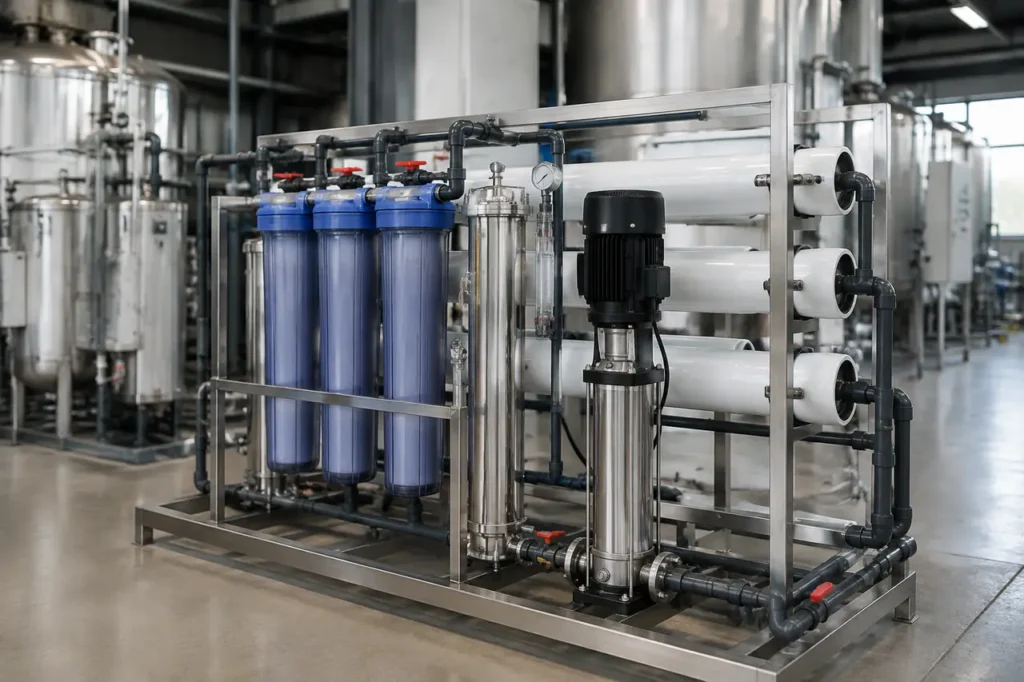
Upgrading to a 1000 GPD RO system marks the transition from point-of-use filtration to dedicated light commercial water treatment.
At roughly 42 gallons per hour, this capacity supports operations where water quality affects product consistency and equipment service life. Correct sourcing matches recovery, pre-treatment, and line pressure to your facility’s daily flow profile.
Key Specifications to Compare Before Buying
The 1000 GPD capacity class sits between residential undersink units and industrial-scale skids. All units target about 1,000 gallons per 24 hours under standard test conditions, but field performance varies with system architecture, membrane grade, and pre-filtration sizing.
| Specification / Component | Standard Light Commercial Setup | High-Efficiency Commercial Setup | Facility Prerequisite |
|---|---|---|---|
| Recovery / Waste Ratio | 2:1 to 3:1 (waste-to-permeate) | 1:1 to 1:0.8 (high-recovery setup) | Adequate floor drain line capacity |
| Membrane Architecture | 2x 500 GPD or 1x 1000 GPD Standard TFC | Low-energy Polyamide (LP/ULP) Elements | Feed TDS < 2,000 ppm |
| Pre-Filter Sizing | 2.5-inch x 20-inch Slimline Cartridges | 4.5-inch x 20-inch “Big Blue” High-Capacity | 3/4-inch NPT water supply line |
| Booster Pump Integration | Optional or light-duty diaphragm pump | Integrated continuous-duty rotary vane or multi-stage centrifugal pump | Dedicated 110V / 220V 15A electrical circuit |
| Flow Delivery Mode | Tankless direct-flow (intermittent) | Atmospheric or pressurized buffer tank with delivery pump | Footprint allocation for storage vessel |
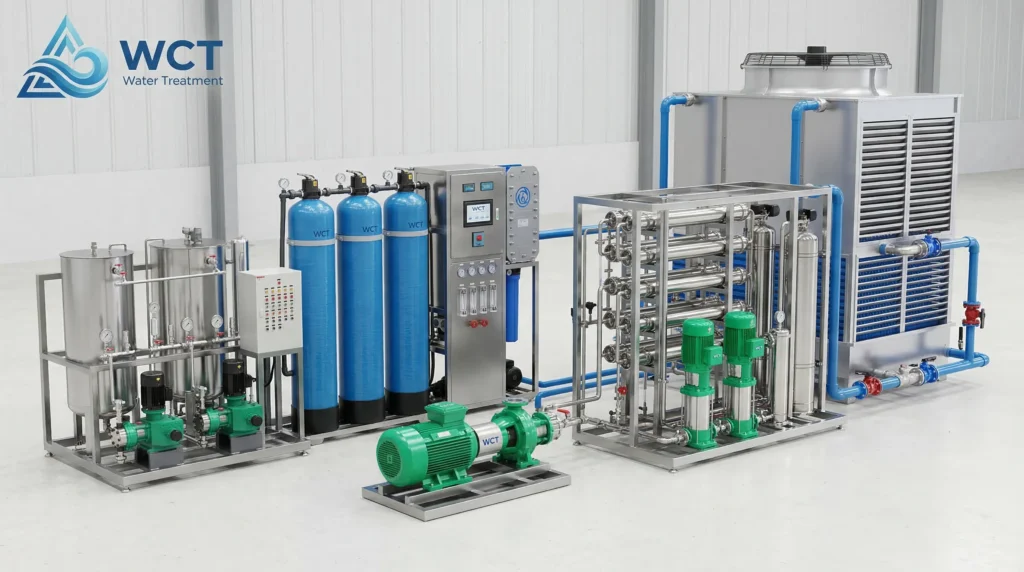
Base models such as the WCT 1000 GPD RO system for wastewater treatment and process water purification are generally offered in two flow configurations. The correct choice depends on peak draw, not total daily volume.
A tankless direct-flow system delivers roughly 0.7 GPM on demand. This supports continuous low-draw applications like hydroponic reservoirs or small rinse cycles. Facilities with high simultaneous peaks-espresso service, wash tanks, and combi-oven use-need an atmospheric holding tank and re-pressurization pump to avoid a pressure bottleneck.
Spec Sheet Red Flags
- Mismatched pre-filter sizing: A high-capacity membrane paired with undersized slimline cartridges can reduce feed pressure and shorten cartridge life.
- Missing booster pump: Confirm the quoted system includes a pump rated to deliver 80-150 PSI at the membrane inlet.
- Undefined waste ratio: A quote without recovery ratio and feed TDS assumptions may hide high concentrate water costs.
- Incomplete installation requirements: Verify drain capacity for 1.5-2.5 GPM concentrate discharge and a dedicated 110V/220V circuit.
Application-Specific Configuration Sizing
A single 1000 GPD membrane core can perform very differently depending on how the surrounding staging, storage, and hydraulic balance are engineered for specific commercial operations.
| Commercial Application | Recommended Filtration Stages | Storage & Delivery Strategy | Critical Specification Focus |
|---|---|---|---|
| Hydroponics & CEA | 3 to 4 Stages (Sediment + Carbon + RO) | Large atmospheric reservoir (200-500 gal) | 1:1 low-waste ratio, high flow rate, unadjusted permeate |
| Craft Breweries & Distilleries | 4 to 5 Stages (Dual Carbon + RO + Mineral Blending) | Food-grade atmospheric tank (100-300 gal) | Precise TDS blending valve, zero chlorine/chloramine bypass |
| Specialty Coffee & Restaurants | 4 to 5 Stages (Sediment + Carbon + RO + Remineralization) | Pressurized bladder tank (20-80 gal) | Controlled mineral return (calcium/magnesium balance), stable output pressure |
| Aquarium Stores & Aquaculture | 5 to 6 Stages (Sediment + Carbon + RO + Dual DI Resin) | Atmospheric batch storage | 0-TDS production, complete silicate and nitrate rejection |
Hydroponics and Controlled Environment Agriculture (CEA)
In commercial cultivation facilities, feed water with inconsistent mineral loads disrupts nutrient dosing schedules. Hydroponic operations need maximum water yield with minimal utility waste. A system configured for a 1:1 waste ratio lowers municipal utility overhead.
Because nutrient batching typically occurs in large reservoirs, agricultural setups rarely need pressurized bladder tanks. Automated float switches in atmospheric holding tanks manage system cycling without adding hydraulic backpressure on the membrane.
Craft Breweries, Coffee Shops, and Food Service
Brewing and specialty extraction require specific baseline water chemistry. Pure RO permeate often has an acidic pH near 5.5-6.5 and near-zero mineral hardness, which can stall fermentation or over-extract coffee acids while corroding boiler metals.
These installations should include an adjustable bypass blending valve or in-line remineralization stage to reintroduce controlled calcium, magnesium, and bicarbonate.
For high-sanitary storage, combining reverse osmosis with a downstream commercial ozone water treatment system or dedicated commercial UV water treatment system prevents microbial re-contamination before production use.
Centralized Skid-Mounted Deployment
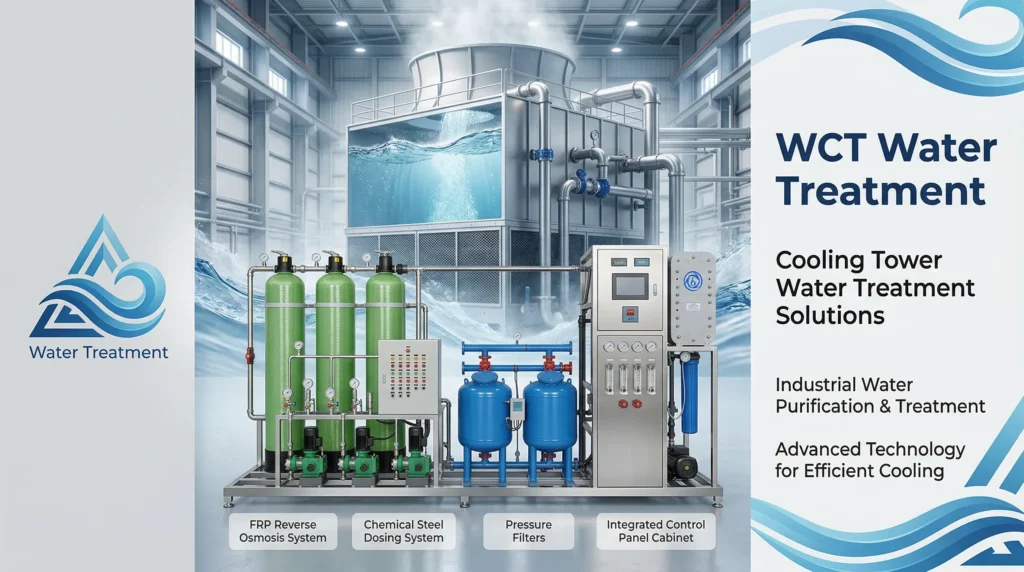
For operations expanding across multiple utility lines, housing all pre-treatment, booster pumps, and membrane housings on one skid simplifies maintenance.
Specifying a skid mounted water treatment system keeps pressure gauges, flow meters, and control solenoids pre-plumbed and factory tested, reducing on-site labor and plumbing failure points.
Understanding Filtration Stages and Component Upgrades
The price range for 1000 GPD RO units-roughly $1,000 to over $4,000-is driven by component quality, pre-filter housing dimensions, and pump engineering rather than the membrane alone.
Component Decisions That Affect Reliability
- Pre-Filter Sizing (10-inch vs. 20-inch “Big Blue”): Standard commercial systems process between 1,500 and 3,000 gallons of raw feed water daily (permeate plus concentrate). Standard 2.5-inch slimline cartridges saturate quickly under this volume, causing frequent pressure drops that trigger low-pressure pump cutoffs. Specifying 4.5-inch x 20-inch high-capacity housings increases dirt-holding surface area by over 300%, extending cartridge replacement intervals from weeks to months.
- High-Pressure Booster Pumps: Reverse osmosis relies entirely on net driving pressure to overcome osmotic pressure. While municipal lines typically provide 40-50 PSI, operating a 1000 GPD membrane efficiently requires 80 to 150 PSI at the membrane inlet. Heavy-duty assemblies rely on dedicated commercial units like the WCT CDLF/CDH high pressure pump for wastewater treatment and commercial RO, providing continuous hydraulic pressure without thermal throttling or pressure drop during multi-hour production runs.
- Low-Energy vs. Standard Polyamide Membranes: High-rejection, low-energy (ULP/LE) membranes allow systems to achieve their rated 1000 GPD output at lower operating pressures, reducing pump motor electrical draw. In applications requiring total deionization, pairing low-energy membranes with a downstream ultrapure water treatment system polishing stage minimizes resin bed depletion by ensuring feed water entering the resin is already stripped of 98-99% of raw TDS.
- Monitoring Instrumentation: Commercial reliability depends on visibility. Entry-level systems offer only basic analog pressure gauges on the feed line. Upgraded systems include dual digital TDS meters (measuring raw feed vs. treated permeate in real-time), concentrate flow meters, permeate flow meters, and liquid-filled stainless steel pressure gauges before and after each filter stage to pinpoint exact pressure differentials across the media beds.
Essential Maintenance & Operating Costs
Total cost of ownership includes consumable filter turnover, membrane longevity, and utility discharge rates. Neglecting pre-filter stages directly damages the main membrane and turns an economical setup into a high-maintenance expense.
Filter and Membrane Replacement Cadence
- 20-inch sediment and carbon cartridges: Replace every 3 to 6 months in commercial operations running 8 to 16 hours daily on municipal water with 200-400 ppm TDS.
- Catalytic carbon requirement: Catalytic carbon is required if the municipal supply uses chloramines. Standard activated carbon can allow chloramine breakthrough, causing irreversible oxidative damage to thin-film polyamide membranes.
- 1000 GPD membrane: Expect 2 to 4 years of operational life when protected by proper pre-treatment and pressure regulation.
- Auto-flush valve: An automated fast-flush cycle rinses high-velocity feed water across the membrane for 15-30 seconds at startup and shutdown, reducing scale accumulation and stabilizing recovery rates.
Final Selection Checklist & Custom Quote Requests
Before submitting a request for quotation (RFQ) or placing a purchase order for a light commercial reverse osmosis system, verify your facility’s physical and mechanical readiness using the checklist below.
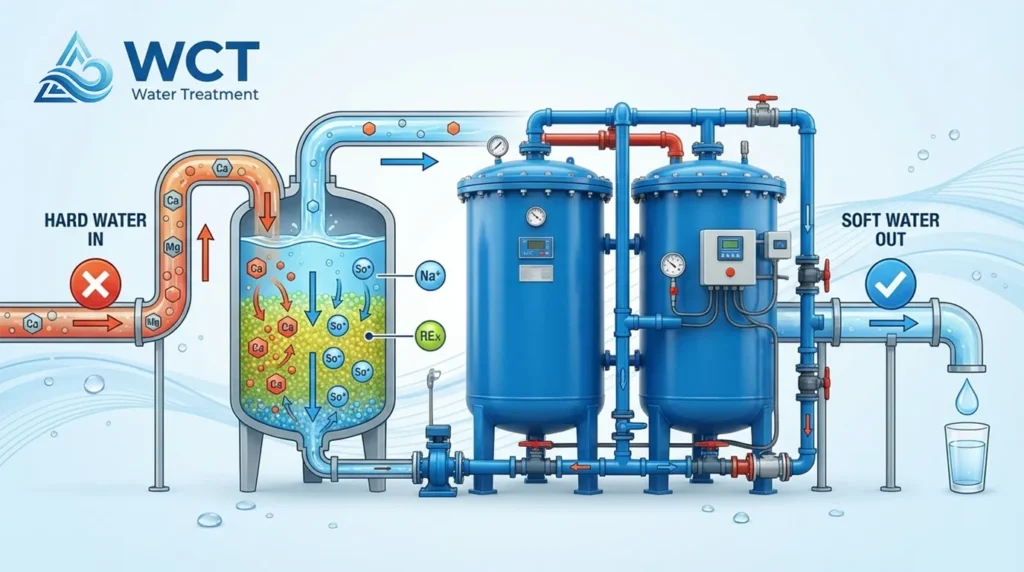
- Feed Water Profile: Secure a comprehensive water analysis documenting total dissolved solids (TDS), iron, manganese, total hardness, silica, and free/combined chlorine levels. (If iron exceeds 0.2 ppm or hardness exceeds 7 grains per gallon, upstream softening or iron filtration must be included in the quote).
- Hydraulic Feed Volume: Confirm that the supply line can provide at least 2.5 to 3.5 GPM of continuous flow at minimum 35 PSI dynamic pressure through a 3/4-inch NPT pipe. Feed supply lines measuring 1/2-inch often starve commercial booster pumps during sustained runs.
- Drainage Capacity: Ensure an air-gapped dedicated drain line is located within proximity to the installation site, capable of accepting 1.5 to 2.5 GPM of concentrate discharge without backing up.
- Electrical Infrastructure: Verify the availability of an unswitched, dedicated 110V/115V or 220V 15A outlet to power the integrated booster pump and electronic control solenoids.
- Physical Footprint: Measure floor and wall clearance. Include space for the filtration frame (typically 20″W x 12″D x 34″H for compact systems, or larger for skid systems), clearance above/below for 20-inch filter sump drop during service, and the footprint of any external atmospheric or bladder storage tanks.
For custom facilities requiring specialized membrane arrays, tailored recovery ratios, or mobile integration, contact the WCT commercial engineering team. Projects such as mobile water treatment system require site-specific hydraulic review.
Provide your incoming water report, daily volume requirements, and peak draw intervals. That allows our technical specialists to build an accurate, application-matched system quote configured for your exact operating conditions.
Frequently Asked Questions
Do I need a storage tank with a 1000 GPD system?
It depends on your peak flow demand. A direct-flow system delivers about 0.7 GPM. If commercial equipment requires 3-10 GPM during active service, direct flow cannot supply that volume instantly.
In those scenarios, pair the RO unit with an atmospheric holding tank and on-demand re-pressurization pump to prevent delays.
Does a 1000 GPD system require a dedicated booster pump?
Yes. Commercial RO membranes need steady net driving pressure between 80 and 150 PSI to achieve rated capacity and rejection. Municipal line pressure of 40-60 PSI is usually inadequate. Without an integrated booster pump, output drops, waste water increases, and treated water TDS climbs.
What is the standard waste-to-pure water ratio for this size?
Standard light commercial systems operate at a 2:1 or 3:1 waste-to-pure water ratio. High-efficiency systems with low-energy membranes, re-circulation loops, and precision flow restrictors can achieve 1:1 or 1:0.8, provided feed water is relatively soft and low in silica.