Understanding Whole House Water Filter Systems
Securing clean, safe water for your family starts right at the main water line. The best whole house water filter systems for residential use are engineered to treat every single drop of water entering your home. As a trusted water treatment products supplier and manufacturer, we understand that comprehensive home filtration is the ultimate defense for your plumbing, appliances, and daily health.
How Whole House Filtration Works
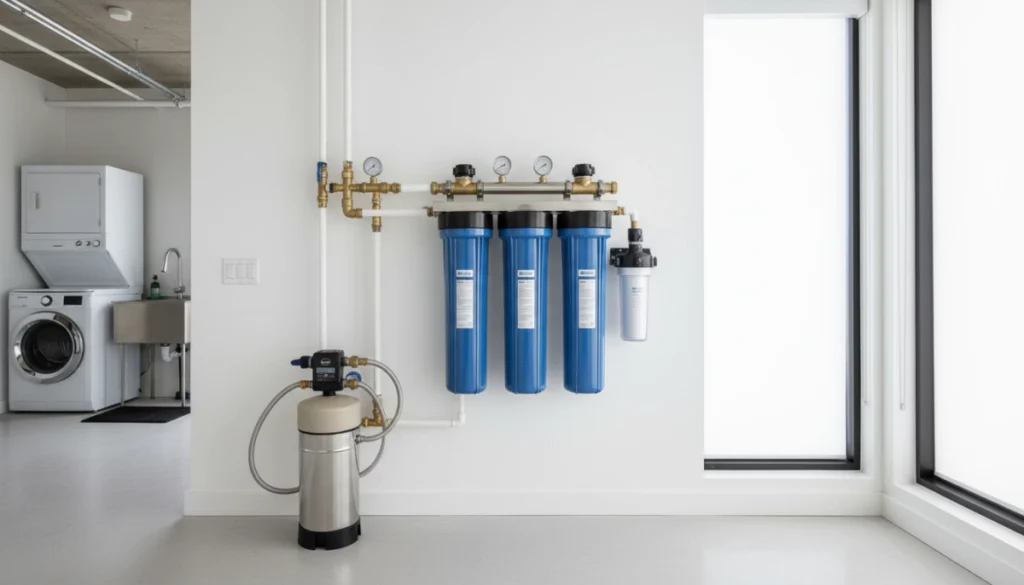
A whole house water purification system connects directly to your main water entry point. Before water ever reaches your kitchen sink, showers, or washing machine, it is forced through a multi-stage purification process.
- Pre-filtration: A heavy-duty sediment filter captures rust, silt, and large physical particles to protect the inner media.
- Primary Filtration: High-capacity carbon or specialized media targets chlorine, volatile organic compounds (VOCs), and dangerous heavy metals.
- Advanced Stages: Depending on the setup, UV purifiers or targeted reverse osmosis membranes eliminate microscopic pathogens and dissolved solids.
The Importance of Testing Your Water First
Never guess what is hiding in your plumbing. Identifying the exact contaminants in your supply is a mandatory first step before selecting a filtration unit.
- Municipal Water: Typically requires filtration for high levels of chlorine, chloramines, and industrial chemical runoff.
- Private Wells: Demands specialized well water treatment to eradicate stubborn iron, hydrogen sulfide (rotten egg smell), and agricultural bacteria.
- Targeted Solutions: A professional water test dictates the exact filtration media you need, guaranteeing maximum system efficiency and a longer lifespan for your filters.
Whole House Filters vs. Water Softeners
Homeowners frequently confuse filtration systems with water softeners, but they serve entirely different, yet complementary, purposes.
- Whole House Filters: Built to physically and chemically remove harmful contaminants, bad odors, and dangerous impurities to make your water safe for consumption and use.
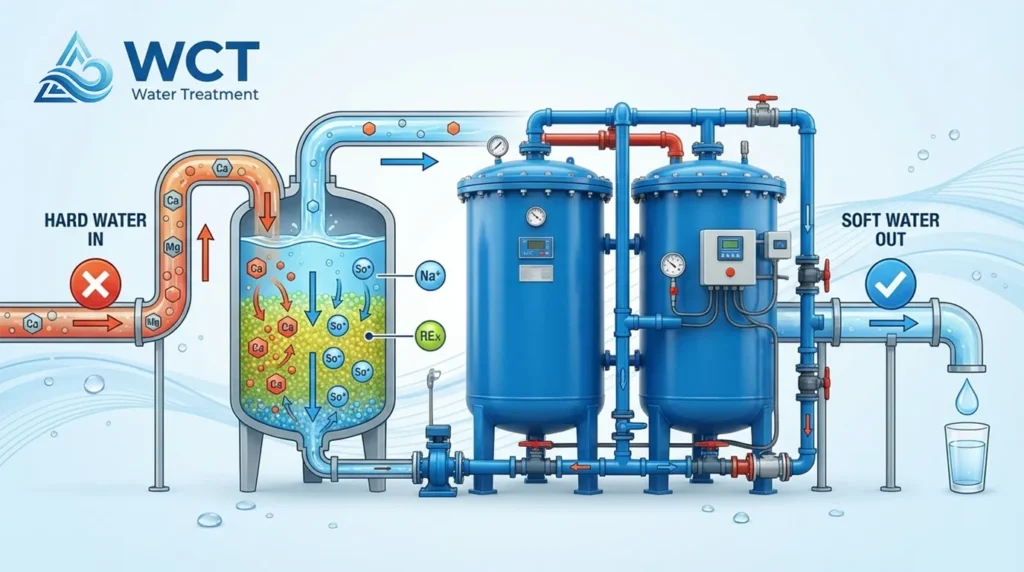
- Water Softeners: Exclusively designed to remove hard minerals like calcium and magnesium through an ion-exchange process, preventing destructive scale buildup in your pipes and appliances.
- The Ultimate Setup: For absolute residential water perfection, pairing a high-performance whole house filter with a dedicated water softener provides complete, uncompromising water protection.
Key Benefits of Residential Whole House Water Filters
Installing the best whole house water filter systems for residential use upgrades every drop of water flowing through your home. As an experienced water treatment products supplier and manufacturer, I know that clean water is not just a luxury; it is a fundamental necessity for a healthy household. The advantages extend far beyond just the kitchen sink.
Removing Harmful Contaminants
Municipal and well water supplies often carry unwanted elements. A robust water purification system intercepts these threats right at the point of entry before they reach your faucets.
- Chlorine and Chloramines: Effectively neutralized to prevent chemical exposure.
- Heavy Metals: Dangerous elements like lead, iron, and mercury are safely trapped.
- Dirt and Debris: A high-quality sediment filter blocks rust, sand, and silt from clogging your pipes.
For rural properties requiring intensive well water treatment, combining your main filtration setup with precise chemical dosing via a WCT AX Series Mechanical Diaphragm Metering Pump guarantees optimal safety against stubborn bacteria and severe contamination.
Softer Skin and Healthier Hair
Bathing in chlorinated or hard water strips your body of its natural oils. By filtering out harsh chemicals at the main water line, your daily showers become significantly gentler. You will immediately notice less skin irritation, reduced dryness, and softer, more manageable hair. Removing these irritants provides a daily spa-like experience while protecting sensitive skin conditions like eczema.
Better Tasting Drinking Water and Food
Clean water fundamentally changes how your food and beverages taste. While a dedicated reverse osmosis unit is excellent for targeted drinking water, a whole-house system ensures the water you use to boil pasta, wash vegetables, and brew coffee is completely free of foul odors and metallic tastes.
| Benefit Category | Direct Impact on Your Home |
|---|---|
| Health & Safety | Blocks toxins, heavy metals, and volatile organic compounds. |
| Personal Care | Preserves natural hair oils and prevents dry, itchy skin. |
| Culinary Quality | Enhances the natural flavors of home-cooked meals and beverages. |
How to Choose the Best Whole House Water Filter
Finding the right system requires more than just picking a top-rated brand. You need a setup that matches your home’s specific plumbing and water chemistry. As a dedicated water treatment products supplier and manufacturer, we focus on matching the right technology to the specific contaminants present in your supply.
Identifying Your Specific Water Issues
Before investing, you must know what is in your water. City water often deals with chlorine, chloramines, and fluoride, while well water frequently faces issues with iron, manganese, and sulfur.
- City Water: Look for carbon-based systems to remove chemical tastes and odors.
- Well Water: Prioritize air injection or specialized oxidation systems for heavy metals.
- Hard Water: If you have scale buildup, you may need to integrate a water softener alongside your filtration unit.
Understanding Filtration Media Types
Different media target different pollutants. A high-quality water purification system uses a combination of these to ensure comprehensive coverage:
| Media Type | Primary Target | Best For |
|---|---|---|
| Activated Carbon | Chlorine, VOCs, Pesticides | Improving taste and odor |
| KDF-55/KDF-85 | Heavy metals, Bacteria, Scale | Pre-treatment and longevity |
| Sediment Filter | Sand, Silt, Rust, Dirt | Protecting appliances and fixtures |
| Catalytic Carbon | Chloramines, Hydrogen Sulfide | Advanced chemical removal |
Sizing Your System for Residential Use
Sizing is about flow rate, measured in Gallons Per Minute (GPM). If your system is too small, you will experience a significant drop in water pressure when multiple faucets are running.
- 1-2 Bathrooms: 10-12 GPM flow rate.
- 3-4 Bathrooms: 15-20 GPM flow rate.
- Large Estates: 25+ GPM flow rate.
Properly sizing your sediment filter and main tanks ensures that your household never runs out of clean, high-pressure water. For industrial-scale needs or specialized setups, we often integrate a waste water treatment tank to manage high-volume filtration cycles effectively. Always check the port size of the system (typically 1\” or 0.75\”) to ensure it matches your home\’s main water line for a seamless installation.
Top Rated Whole House Water Filter Systems for 2026
As a dedicated water treatment products supplier and manufacturer, I spend a lot of time analyzing the market to see which systems actually deliver on their promises. Finding the best whole house water filter systems for residential use means looking past the marketing hype and focusing on flow rates, media quality, and real-world durability. Based on current technology and performance metrics, here are the standout systems for 2026.
Best Overall: SpringWell CF1 Whole House Filter
The SpringWell CF1 consistently ranks at the top for standard municipal water setups. It uses high-quality catalytic carbon and KDF media to target chlorine, chloramines, VOCs, and heavy metals. What makes this system stand out is its innovative design that prevents channeling, ensuring maximum contact time between your water and the filtration media.
- Zero Pressure Drop: Delivers up to 9 gallons per minute (GPM), perfect for homes with 1-3 bathrooms.
- Long Lifespan: The main tank lasts for up to 1 million gallons before needing a replacement.
- Comprehensive Protection: Excellent at removing the chemicals that cause bad tastes and odors in city water.
Best for Heavy Duty: iSpring WGB32B System
If you are dealing with heavily treated municipal water or older plumbing infrastructure, the iSpring WGB32B is a heavy-duty workhorse. This 3-stage system features massive 20-inch big blue filter housings that handle high volumes of water without slowing down your shower pressure.
The first stage acts as a robust sediment filter, capturing dirt, rust, and scale. For properties dealing with severe particulate issues, integrating this alongside proper sedimentation water treatment ensures your carbon blocks aren\’t prematurely clogged. The subsequent carbon block stages knock out up to 99% of chlorine and organic compounds.
Best for Well Water: SpringWell WS1 System
Private wells require a completely different approach compared to city water. The SpringWell WS1 is engineered specifically for well water treatment, tackling the most stubborn contaminants like iron, manganese, and hydrogen sulfide (that rotten egg smell).
- Air Injection Technology: Oxidizes iron and sulfur so they can be easily trapped by the green sand media.
- Self-Cleaning: The system automatically backwashes to flush out trapped contaminants, keeping the media fresh.
- Chemical-Free: It does not require you to constantly add harsh chemicals or salt to maintain its performance.
Best Low Maintenance: Aquasana Whole House Filtration
For homeowners who want a reliable water purification system without a demanding maintenance schedule, the Aquasana Rhino series is the top choice. It is designed for maximum convenience and long-term use.
The dual-tank design is rated for up to 10 years or one million gallons. While you still need to swap out the pre-filters every few months, the main filtration tanks require zero backwashing and no electricity to operate. The system also features an easy-to-use bypass valve, making those routine pre-filter changes a quick, five-minute job that anyone can handle.
Installation and Maintenance Guide
Getting the best whole house water filter systems for residential use set up correctly is just as important as choosing the right unit. Proper installation and consistent upkeep ensure your water stays clean and your system operates efficiently for years.
Professional vs. DIY Installation Requirements
Deciding between a DIY project and hiring a plumber depends entirely on your plumbing skills and the complexity of the setup.
- DIY Installation: If you are comfortable cutting pipes, using push-to-connect fittings, and handling basic tools, you can install standard systems yourself. Most modern kits come with detailed instructions and bypass valves to make the job easier.
- Professional Installation: We highly recommend hiring a licensed plumber if your home requires pipe rerouting, or if you are installing a complex well water treatment setup. A professional ensures there are no leaks, local codes are met, and the water pressure remains stable throughout the house.
Routine System Maintenance Requirements
Maintaining your water purification system does not have to be a headache. A quick monthly check keeps everything running smoothly and prevents costly repairs.
- Check Water Pressure: A sudden drop in pressure usually means a filter is clogged and needs attention.
- Inspect Housings: Look for minor leaks, drips, or condensation around the O-rings and connections.
- Monitor the Pre-filter: Understanding the water treatment sedimentation process helps you realize why keeping your sediment filter clean is crucial. It catches the large debris like sand and rust before it can damage your main filtration media.
When to Replace Filtration Cartridges and Media
As an experienced water treatment products supplier and manufacturer, we always remind our customers that sticking to a strict replacement schedule is the secret to great water. Pushing a filter past its lifespan reduces water quality and forces your system to work harder.
Standard Replacement Schedule
| Filter Type | Average Lifespan | Signs It Needs Replacing |
|---|---|---|
| Sediment Filter | 3 to 6 months | Visible dirt buildup, noticeable drop in water pressure |
| Carbon Block Filter | 6 to 12 months | Chlorine smell or bad taste returns to the water |
| Reverse Osmosis Membrane | 2 to 3 years | Slow water flow, changes in water taste |
| Main Tank Media | 5 to 10 years | System fails to filter water effectively, scale buildup returns |
Keep spare cartridges on hand so you are never caught off guard when it is time for a quick swap. Regular replacements guarantee your home always has access to premium, safe water.
Frequently Asked Questions
Are whole house water filter systems worth the investment?
Absolutely. Investing in the best whole house water filter systems for residential use saves you money in the long run by protecting your plumbing and expensive appliances from scale and sediment buildup. Beyond the financial aspect, it provides peace of mind knowing every tap in your home delivers clean water. For those dealing with specific issues like \”rotten egg\” smells, specialized sulfur water treatment components can be integrated into your setup to eliminate odors and staining immediately.
Do whole-house systems remove PFAS and forever chemicals?
Many modern residential systems are now designed to tackle PFAS and other \”forever chemicals.\” To effectively remove these contaminants, you need a system equipped with high-capacity Granular Activated Carbon (GAC) or specialized ion exchange resins. While a standard sediment filter won\’t catch these microscopic chemicals, a complete water purification system tailored for chemical removal is highly effective at ensuring your family\’s safety from emerging environmental toxins.
What is the difference between a whole-house and under-sink filter?
The main difference lies in the \”Point of Entry\” versus \”Point of Use.\”
- Whole-House Systems: Treat every drop of water entering the home, protecting showers, toilets, and washing machines.
- Under-Sink Filters: Usually focus on a single kitchen tap for drinking and cooking.
While under-sink units often utilize a high-precision reverse osmosis membrane for the highest level of purification, a whole-house system acts as the primary defense for your entire property. Many homeowners choose to install both: a whole-house system to handle chlorine and sediment, and an under-sink RO unit for bottled-quality drinking water. As a dedicated water treatment products supplier, we recommend this \”layered\” approach for the best results.