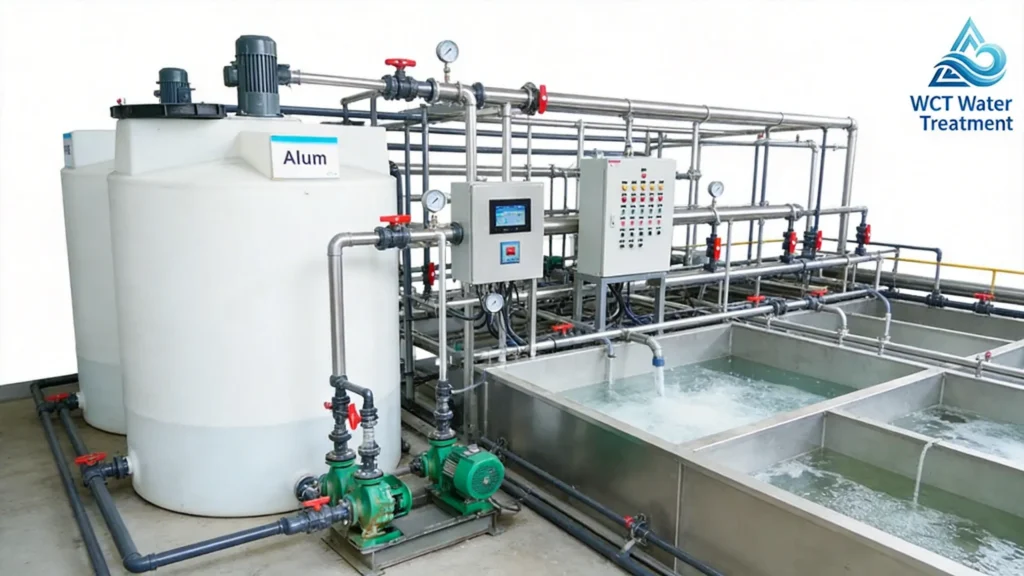
What is Alum in Water Treatment?
In the water management industry, delivering crystal-clear, safe water is our ultimate goal. The cornerstone of achieving this high-level clarity and purity is alum water treatment. Alum serves as a primary clarifying agent, fundamentally transforming cloudy, particle-laden source water into clean, manageable resources ready for consumption or safe discharge.
Understanding Aluminum Sulfate Basics
When professionals discuss water treatment alum, they are almost exclusively referring to aluminum sulfate. It is a highly versatile, globally recognized chemical compound that has served as the backbone of municipal and industrial water purification for over a century. Its widespread adoption is no accident; aluminum sulfate offers unmatched reliability, rapid reaction times, and scalability for operations of any size.
Chemical Properties and Types of Alum
Alum is uniquely adaptable, supplied in multiple formats to perfectly align with specific facility infrastructures and dosing requirements. Its standard chemical structure is aluminum sulfate hydrate, typically represented as $Al_2(SO_4)_3 cdot 14H_2O$.
To optimize your operations, you can source alum in two primary forms:
- Liquid Alum: Delivered as an aqueous solution. This is the industry standard for large-scale, automated facilities because it allows for precise, continuous pump dosing without the need for on-site mixing.
- Dry Alum: Available as solid granules or finely milled powder. This format boasts a longer shelf life and lower shipping costs, making it the superior choice for remote locations, smaller batch treatments, or facilities with limited liquid storage.
How Alum Works: Coagulation and Flocculation Chemistry
[Image of coagulation and flocculation process in water treatment]
The synergy between alum and water treatment relies on an elegant chemical reaction that forces microscopic impurities out of suspension. Raw water contains suspended solids, organics, and colloidal matter that carry a negative electrical charge. Because these particles share the same charge, they naturally repel each other and refuse to settle. Alum forcefully breaks this stalemate through a two-step process:
- Rapid Coagulation: The moment alum is injected into the water, it dissolves and introduces highly positive aluminum ions. These positive ions act immediately to neutralize the negative charges of the suspended particles.
- Controlled Flocculation: With their repelling forces neutralized, the particles are now free to collide. Through gentle, mechanical mixing, these microscopic particles crash into each other and bind together, creating larger, sticky, sponge-like masses known as \”floc.\”
- Gravity Settling: As the floc accumulates more particles, it becomes heavy and dense. Gravity takes over, pulling the heavy floc to the bottom of the clarification basin as sludge, leaving perfectly clear, purified water at the surface.
Key Applications for Alum Water Clarification
Alum is incredibly versatile. We rely on it to clear up everything from the water coming out of your tap to heavily polluted industrial discharge. Understanding where to apply alum water treatment allows us to solve a wide range of water quality issues efficiently.
Municipal Drinking Water Treatment
City water facilities depend on alum as the primary defense against cloudy water. Before water reaches your home, municipal plants use it to gather microscopic suspended particles—like dirt, organic matter, and bacteria—into larger clumps called floc. These heavy clumps sink to the bottom of clarifier tanks. This crucial step prevents municipal filters from clogging and ensures the water flowing to your tap is transparent and safe.
Wastewater and Industrial Effluent Management
Factories and municipal sewers produce complex, heavily contaminated waste streams. In our experience, integrating alum into the industrial water treatment routine is essential for hitting strict environmental discharge regulations. We use water treatment alum specifically to tackle tough effluent challenges:
- Phosphorus Removal: Binds with phosphates to prevent harmful nutrient runoff into local waterways.
- Suspended Solids Settling: Drops out heavy organics, grit, and sludge quickly and reliably.
- COD/BOD Reduction: Clarifies the water, reducing the chemical and biological oxygen demand.
Deploying alum at the right stage heavily optimizes the broader process of water treatment for industrial facilities, keeping operations compliant and cost-effective.
Lake and Pond Water Quality Restoration
If you manage a lake or a large pond, you know how quickly algae blooms can destroy an ecosystem. Alum and water treatment strategies are standard practice for aquatic restoration. When applied directly to a murky, green pond, alum strips excess dissolved phosphorus directly out of the water column and permanently locks it into the bottom sediments. By eliminating this primary food source, the algae starves, restoring water clarity and protecting aquatic life.
Clarifying Muddy Water for Backpacking and Off-Grid Use
Alum isn\’t strictly for massive infrastructure projects. Off-grid homesteaders, preppers, and backpackers use small doses of alum to clarify extremely muddy water before filtering or boiling it. By stirring a small pinch of alum into a bucket of highly turbid river water, the suspended silt quickly binds together and falls to the bottom. You can then easily decant the clear water off the top, completely preventing your expensive portable water filters from instantly clogging in the wild.
The Alum Application and Treatment Process
Implementing an effective alum water treatment system requires knowing exactly when, where, and how to introduce the chemical into your facility.
Where Alum Fits in the Treatment Train
In most facilities, water treatment alum is introduced early in the cycle to maximize its coagulating power.
- Injection Point: Directly into the rapid mix basin.
- Timing: Immediately following the initial physical screening of raw water.
- Purpose: Rapid, violent dispersion kicks off the chemical reaction before the water moves into slower-moving tanks.
Understanding exactly where this injection occurs within the broader process of water treatment is critical to prevent chemical waste and ensure downstream filters aren\’t overloaded.
Optimal pH Levels and Dosage Ranges
Alum is highly sensitive to water chemistry. If the pH drops too low or spikes too high, the chemical simply will not form the necessary flocs.
- Ideal pH Range: We recommend keeping your water between 5.8 and 8.5. Dropping below this range increases the risk of dissolved aluminum remaining in the final product.
- Standard Dosage: A typical dose ranges from 10 to 50 mg/L. Clearer water requires less, while highly turbid water demands doses at the higher end of the scale.
- Alkalinity Demand: Alum naturally consumes alkalinity as it reacts. You will likely need to supplement with lime, caustic soda, or soda ash to maintain a stable pH balance.
Application Methods and Settling Times
Combining alum and water treatment systems successfully comes down to accurate feeding and patience. Gravity needs time to work.
- Feed Systems: We typically use liquid alum fed through precision metering pumps. It is easier to control and mix than dry alum, which requires separate dry feeders and dissolving tanks.
- Rapid Mixing: A high-speed, intense mix lasting 30 to 60 seconds is mandatory right at the injection point.
- Flocculation: The water then moves into a slow, gentle mixing phase lasting 20 to 30 minutes, allowing the micro-particles to collide and grow into heavy flocs.
- Settling Time: Once the flocs are large enough, the water enters a quiet clarifier. It takes about 2 to 4 hours for the sediment to drop to the bottom as sludge.
You can visualize how these specific mixing and settling stages are physically laid out by reviewing a standard process flow diagram of a water treatment plant.
Primary Advantages of Using Alum
As professionals in the industry, we rely on alum because it consistently delivers results without complicating the treatment process. The benefits of alum water treatment extend far beyond basic clarification, making it a staple for facilities worldwide.
Effective Turbidity and Color Removal
When dealing with cloudy or discolored water, alum is incredibly efficient. It excels at neutralizing the electrical charges of suspended particles, forcing them to clump together and settle out. This process strips away the fine silt, clay, and organic compounds that cause poor visibility and undesirable tints. While chemical oxidizers like hydrogen peroxide water treatment are highly effective for breaking down stubborn organic pollutants, alum remains our go-to solution for rapidly clearing up physical turbidity and restoring pure, crystal-clear water.
Phosphorus Reduction and Algae Control
Nutrient pollution is a major headache for municipal reservoirs and open water bodies. We use water treatment alum specifically to target and lock away excess phosphorus. By binding with this nutrient and settling it at the bottom, alum effectively starves out harmful algae.
Here is why this matters for overall water quality:
- Prevents Algal Blooms: Removing the primary food source stops rapid algae growth before it starts.
- Protects Oxygen Levels: Fewer algae die-offs mean dissolved oxygen levels remain stable, protecting aquatic life.
- Long-Term Nutrient Control: The settled alum floc creates a protective barrier on the sediment floor, preventing older phosphorus from re-entering the water column.
Cost-Effectiveness and Operational Efficiency
Balancing clean water standards with strict budgets is a daily challenge. The combination of alum and water treatment is heavily favored because it is highly economical. Alum requires minimal specialized equipment, works reliably across various temperatures, and provides fast settling times that keep facility throughput high.
Operational Benefits at a Glance:
| Feature | Operational Impact |
|---|---|
| Low Material Cost | Significantly reduces daily chemical expenditure. |
| Rapid Floc Formation | Speeds up the clarification cycle, allowing higher water volumes to be processed. |
| Proven Reliability | Lowers the need for constant dosage adjustments and troubleshooting. |
| Global Availability | Ensures a steady, uninterrupted supply chain for treatment plants anywhere. |
Safety, Health, and Environmental Considerations
When we talk about alum water treatment, safety is always our top priority. Whether you are managing municipal supplies or treating industrial runoff, understanding the health and environmental impacts is crucial for running a responsible and compliant operation.
Is Alum Safe for Drinking Water?
We get this question all the time. The short answer is a definitive yes. When applied correctly, water treatment alum is entirely safe for drinking water.
- How it works: Alum binds with suspended dirt and impurities, causing them to settle at the bottom of the tank. The clear water is siphoned off the top, meaning the alum itself is largely removed during the process.
- Strict Regulations: Global health authorities set rigorous limits on any residual aluminum left in the water, ensuring it stays well below harmful levels.
- Proven Track Record: It has been the trusted standard in municipal water facilities for decades.
Managing Sludge Production and Residual By-Products
One unavoidable part of combining alum and water treatment processes is the sludge left behind. Because alum effectively pulls solids out of the water, those solids have to go somewhere. They accumulate at the bottom of your clarifier as a residual by-product.
Handling this waste properly keeps your facility compliant with environmental laws and protects local ecosystems. If your operation generates heavy waste volumes, integrating an efficient sludge dewatering system is essential.
Benefits of proper sludge management:
- Volume Reduction: Squeezes excess water out of the residual sludge.
- Lower Costs: Reduces the total weight of the waste, cutting down your hauling and disposal fees.
- Eco-Friendly: Allows you to recycle the extracted water back into the treatment train.
Debunking Common Misconceptions About Alum
There is a lot of misinformation out there regarding alum. Let\’s clear up a few common myths right now:
- Myth 1: Alum leaves toxic chemicals behind.
- Fact: Alum acts as a coagulant. It pulls contaminants out of the water so they can be filtered away. It does not add toxins to your final supply.
- Myth 2: It permanently ruins the taste of water.
- Fact: With optimal dosing and proper pH control, the final treated water is crisp, clear, and tastes completely natural.
- Myth 3: It is inherently bad for the environment.
- Fact: The environmental impact is entirely manageable. As long as facility operators capture and dispose of the resulting sludge correctly, alum is a safe, highly effective tool for water purification.
Alum vs. Alternative Coagulants
When designing an effective alum water treatment strategy, it is crucial to know exactly how it stacks up against the competition. While alum is a reliable industry standard, it isn\’t the only option. I always evaluate alternative coagulants based on the specific conditions of the raw water we need to clarify.
Comparing Alum to Ferric and PAC
To keep things simple and actionable, here is a direct comparison between standard water treatment alum, Ferric (iron salts), and PAC (Polyaluminum Chloride).
| Coagulant Type | Main Advantages | Drawbacks | Best Application |
|---|---|---|---|
| Alum | Highly cost-effective, proven track record. | High sludge production, sensitive to pH changes. | Standard municipal and residential drinking water. |
| Ferric (Iron) | Works across a wider pH range, forms heavier/denser flocs. | Corrosive nature, can leave a residual iron color. | Wastewater management, heavy metal removal. |
| PAC | Requires less alkalinity adjustment, performs well in cold water. | Higher upfront chemical cost compared to standard alum. | Cold climates, fast-paced treatment environments. |
When to Choose Polymer Alternatives
Sometimes, traditional metal salts aren\’t the most efficient route. We look toward synthetic polymer alternatives when dealing with distinct challenges in alum and water treatment processes.
You should transition to or incorporate polymers when:
- Sludge reduction is critical: Polymers generate a fraction of the sludge compared to traditional alum.
- Settling speed is a priority: They create larger, tougher flocs that drop out of the water much faster.
- Managing complex setups: If you are sizing or upgrading a well water treatment system, utilizing polymers can drastically reduce the total chemical dosage required to clear high turbidity.
Selection Guide: Choosing the Best Option for Your Needs
Selecting the right chemical comes down to balancing performance with your operational budget. Here is exactly how I recommend making the right call for your facility:
- Always Run a Jar Test: Never guess your dosing. Simulate the treatment process on a small scale to see which coagulant actually drops the suspended solids the fastest.
- Check Your Alkalinity and pH: If your raw water pH fluctuates wildly, PAC or Ferric will generally outperform standard alum.
- Consider the End Use: Standards for drinking water differ entirely from industrial applications. For instance, consulting with a cooling tower water treatment company can help you determine if standard coagulants or specialized polymer blends are required to prevent scaling and fouling in your specific equipment.
- Calculate Total Lifecycle Costs: Alum is cheap to purchase upfront, but disposing of the high volume of resulting sludge can be expensive. Always factor in disposal costs before making a final decision.