Types of Water Treatment Facilities
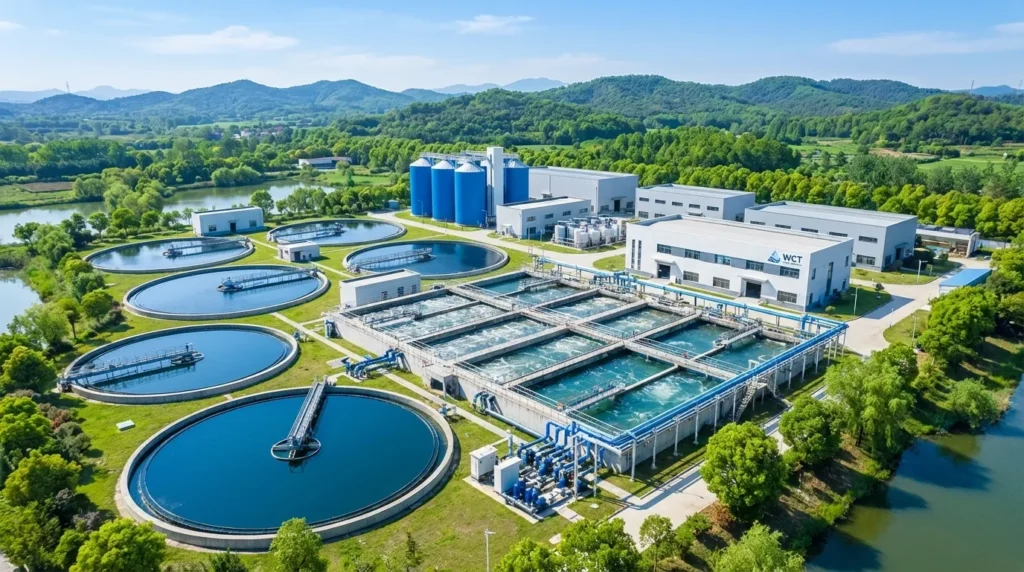
Understanding the specific requirements of a water plant treatment system is essential for delivering clean, safe, and compliant water. Different applications demand specialized facilities engineered to handle distinct contamination levels and output volume requirements.
Drinking Water Treatment Plants
These facilities process raw water sourced from lakes, rivers, or underground aquifers to produce safe, potable water for communities.
- Core Objective: Eliminating dangerous pathogens, suspended solids, and harmful chemical contaminants.
- Compliance Standards: Engineered to consistently meet and exceed strict global health regulations for safe human consumption.
Municipal Wastewater Management
Municipal facilities are specifically designed to manage the sewage and wastewater generated by growing urban populations and commercial hubs.
- Environmental Protection: Rapidly neutralizes biological pollutants and dense organic matter.
- Sustainable Discharge: Guarantees that the effluent processed by the treatment water plant can be safely released back into local ecosystems without causing ecological harm.
Industrial Water Treatment Solutions
Industrial operations produce complex wastewater that standard municipal systems are not equipped to process. We develop highly customized, heavy-duty treatment solutions tailored to specific manufacturing byproducts.
- Targeted Remediation: Actively filters out heavy metals, toxic chemical compounds, and industrial sludge.
- Operational Efficiency: Enables large-scale businesses to safely recycle process water, significantly reduce waste disposal costs, and maintain strict environmental compliance.
Core Steps in the Water Treatment Process
Running a reliable water plant treatment facility means following a strict sequence to turn raw water into a clean, safe resource. Whether we are handling municipal supplies or complex industrial water treatment processes, the core methodology remains consistent. Here is how we break down the essential phases.
Coagulation and Flocculation
The first step is dealing with the tiny particles floating in the raw water. We add specific chemicals that act like magnets to gather these impurities.
- Coagulation: Rapid mixing of chemicals neutralizes the electrical charges of dirt and dissolved particles.
- Flocculation: We gently mix the water, encouraging these neutralized particles to bump into each other and form larger, heavier clumps called \”floc.\”
Sedimentation and Clarification
Once the floc is heavy enough, the water flows into large, quiet basins. During sedimentation, these heavy clumps naturally sink to the bottom. We then scrape away this settled material, leaving significantly clearer water at the top. If you look at a standard process flow diagram of a water treatment plant, you will see this clarification stage is crucial for reducing the physical load on the filters downstream.
Advanced Filtration Methods
Even after settling, some microscopic impurities remain. In any modern treatment water plant, we push the clarified water through various physical and chemical layers to catch what is left.
- Sand and Gravel: Traditional but highly effective natural beds for catching leftover floc and sediment.
- Activated Carbon: Essential for removing bad odors, unusual tastes, and lingering organic compounds.
- Membrane Filtration: Uses advanced physical barriers, such as ultrafiltration or reverse osmosis, to strip out the absolute smallest contaminants.
Disinfection and Storage
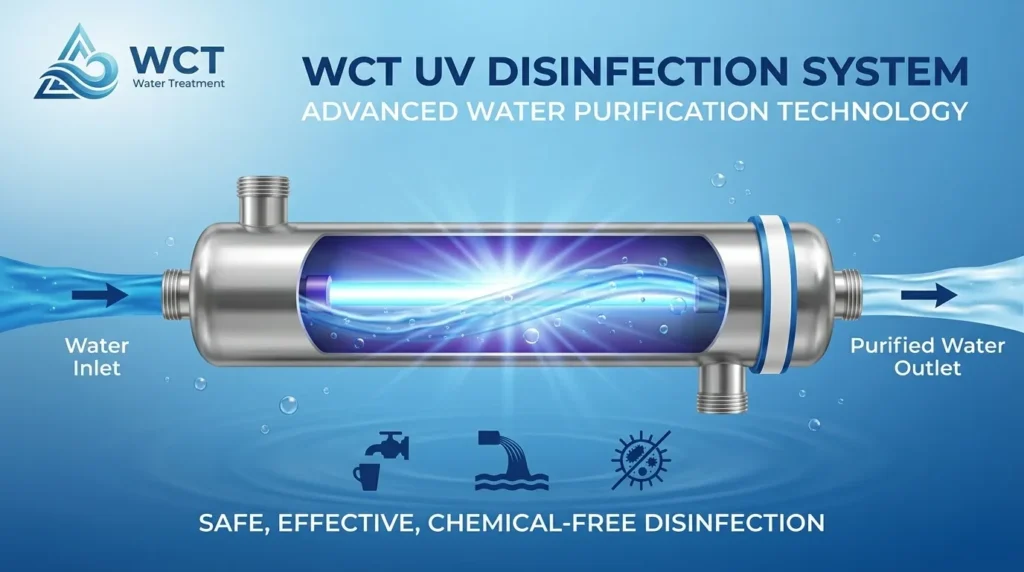
Before the water leaves our facility, we must ensure it is completely safe from harmful bacteria, viruses, and parasites. We apply targeted disinfection methods—typically using chlorine, ozone gas, or UV light—to eliminate any remaining living pathogens. ly, the clean water moves into secure, enclosed storage tanks, keeping it protected and ready for distribution whenever our clients need it.
Primary Water Treatment Processes
When we design the process of water treatment for a new facility, we rely on three core methods. Every efficient treatment water plant uses a strategic mix of these approaches to handle different types of contamination and deliver clean, safe water.
Physical Water Treatment
This is our first line of defense in everyday water plant treatment. We use natural physical forces and barriers to pull solid waste and debris right out of the water without changing its chemical makeup.
- Screening: We use large metal screens to catch heavy debris like wood, plastics, and leaves before they can damage our equipment.
- Filtration: We push water through sand, gravel, or advanced membranes to trap the smaller suspended particles.
- Settling: We simply let gravity do the work, allowing heavy solids to sink to the bottom of large tanks so the clean water can flow off the top.
Chemical Water Treatment
When physical barriers cannot catch dissolved pollutants or dangerous bacteria, we step in with targeted chemical solutions.
- Coagulation: We add safe chemicals that act like magnets, forcing tiny, hard-to-catch particles to clump together into larger pieces that are easy to remove.
- Disinfection: We introduce chlorine, ozone, or UV light to destroy harmful bacteria and viruses.
- pH Adjustment: We balance the acid and base levels of the water to prevent pipeline corrosion and meet strict safety standards.
Biological Water Treatment
Here, we put nature to work. This method is crucial for wastewater facilities, relying on helpful microorganisms to break down complex organic matter that physical and chemical methods leave behind.
- Aerobic Treatment: We pump oxygen into the water tanks so bacteria can thrive, rapidly eating away the organic waste and purifying the water.
- Anaerobic Treatment: We use sealed, oxygen-free tanks where a different type of bacteria breaks down tough sludge, often producing usable biogas as a helpful byproduct.
Addressing Water Quality Challenges
Dealing with raw water means tackling the tough stuff head-on. In any treatment water plant, we regularly run into a few common hurdles that require specific, targeted solutions to keep the water safe and the equipment running smoothly.
Hard Water and Iron Removal
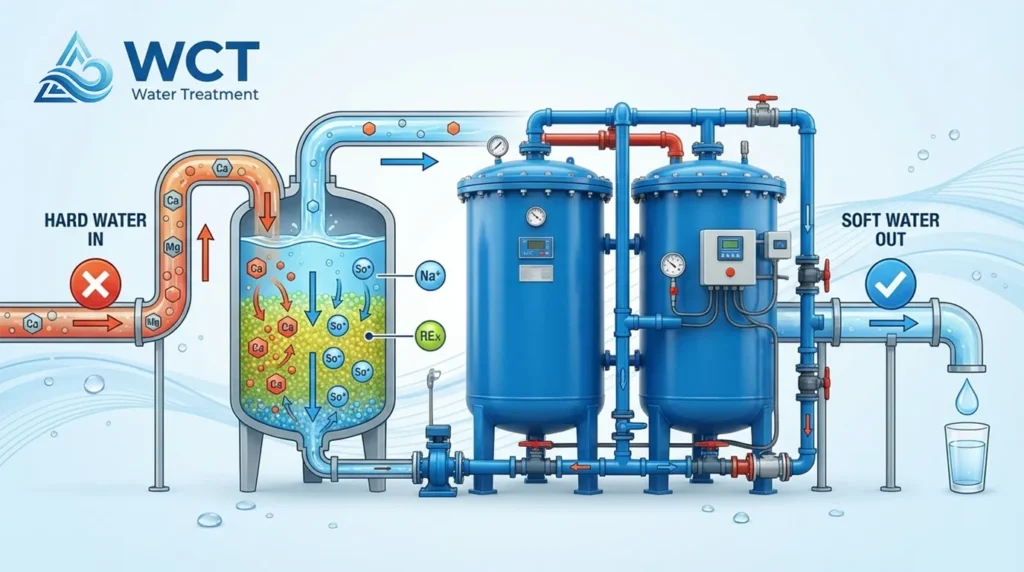
Hard water ruins pipes, and high iron levels leave a metallic taste alongside nasty rust stains. To fix this, we have to strip these minerals out completely. We typically use softening techniques and oxidation to separate iron from the water flow. For operations dealing with stubborn dissolved solids and high mineral counts, integrating a reliable 1000 GPD RO system effectively filters out these harsh minerals. This leaves the water clean and significantly reduces scaling on your downstream equipment.
pH Adjustment and Corrosion Control
If the water\’s pH is off, it will eat right through your infrastructure. We have to balance it out to prevent corrosion and stop heavy metals from leaching into the supply lines. This requires highly precise chemical additions. By utilizing an automated powder liquid dosing system, we make this step foolproof. It ensures the exact right amount of alkaline or acidic neutralizers are added to keep the pH perfectly balanced and your pipes fully protected.
Disposal of Residuals and Waste
Every water plant treatment process leaves something behind. We call these residuals—which mostly consist of wet sludge and concentrated brine. Handling this waste properly is just as important as treating the water itself. Our standard disposal process involves three quick steps:
- Thickening: Skimming and removing excess liquid from the raw sludge.
- Dewatering: Pressing or centrifuging the thickened sludge into dry, solid cakes.
- Safe Disposal: Hauling the dry waste to approved landfills or repurposing it for agricultural use where permitted.
Planning and Maintaining Treatment Systems
Setting up a reliable water plant treatment facility goes beyond just buying equipment. We focus on a solid plan and proactive strategies to keep everything running efficiently for the long haul.
Designing Modern Treatment Solutions
Every facility faces unique challenges. We design systems tailored to your specific water source, whether you are managing a large municipal setup or integrating a robust well water treatment system for localized community needs.
- Site Assessment: We thoroughly test the raw water quality first to select the exact technology needed.
- Scalable Layouts: We build treatment water plant infrastructure that can easily expand as your capacity demands grow.
- Smart Integration: We install automated sensors to give you real-time data and remote control over the entire process.
System Operations and Maintenance
Even the best technology fails without proper care. We prioritize routine, proactive maintenance to avoid costly downtime and keep your water plant treatment operations running at peak performance.
- Daily Monitoring: We track pressure levels, flow rates, and chemical dosing accuracy daily.
- Routine Servicing: We swap out core filters and clean membranes on a strict schedule before they clog.
- Hardware Inspections: We regularly check pumps, valves, and pipelines to catch wear and tear before it causes a leak.
Compliance with Water Safety Standards
We never cut corners when it comes to public health. Operating a modern treatment water plant means adhering to strict global and local safety regulations every single day.
| Compliance Area | What We Focus On |
|---|---|
| Health Regulations | Guaranteeing safe output by consistently meeting safe drinking water limits. |
| Environmental Laws | Processing and disposing of residual waste safely without harming local ecosystems. |
| Safety Audits | Maintaining transparent, up-to-date data logs for seamless government and third-party inspections. |