Are you struggling to hit your discharge limits?
Mastering activated sludge wastewater treatment is the difference between a failing plant and a high-efficiency system. In this guide, you’re going to learn exactly how to optimize your aeration tank, balance the F/M ratio, and manage WAS for maximum performance.
I’ve used these exact strategies to help facilities achieve superior BOD removal and perfect settling quality.
Let’s dive right in.
What Is Activated Sludge Wastewater Treatment?
Definition and Core Purpose
Activated sludge wastewater treatment is a highly efficient biological process used to treat municipal and industrial wastewater. It relies on a multi-chamber system where air (oxygen) is injected to stimulate the growth of microorganisms. These microbes consume organic matter, effectively \”cleaning\” the water by converting dissolved pollutants into solid biomass.
The core purpose of the activated sludge process for wastewater treatment includes:
- BOD Reduction: Dramatically lowering Biochemical Oxygen Demand to protect aquatic ecosystems.
- Pathogen Removal: Reducing harmful bacteria through biological competition and settling.
- Nutrient Control: Removing nitrogen and phosphorus to prevent algae blooms in receiving waters.
- Solid-Liquid Separation: Transforming dissolved contaminants into settleable biological flocs for easy removal.
History and Evolution of the Process
The activated sludge process was pioneered in 1914 by Edward Ardern and William Lockett in Manchester, England. It revolutionized the industry by moving beyond simple filtration to active biological oxidation.
- Early 1900s: Discovery that \”activating\” sewage with air and recycled sludge significantly accelerated purification.
- Mid-20th Century: Standardization of continuous-flow aeration tanks and secondary clarifiers.
- Modern Era: Integration of advanced technologies like Membrane Bioreactors (MBR) and Sequencing Batch Reactors (SBR) to meet stricter global effluent standards.
The Difference Between Primary and Secondary Sludge
In activated sludge in wastewater treatment, it is vital to distinguish between the waste generated at different stages.
| Feature | Primary Sludge | Secondary (Activated) Sludge |
|---|---|---|
| Origin | Primary Clarifier (Physical Settling) | Secondary Clarifier (Biological Process) |
| Composition | Large solids, grit, and raw organic debris | Living microorganisms, bacteria, and protozoa |
| Appearance | Grey, slimy, and often odorous | Brown, earthy smell, flocculent structure |
| Water Content | Lower (relatively easier to dewater) | Higher (requires advanced thickening) |
| Treatment Goal | Remove heavy suspended solids | Remove dissolved organic carbon (BOD) |
How the Activated Sludge Process Works
The Role of the Aeration Tank (Bioreactor)
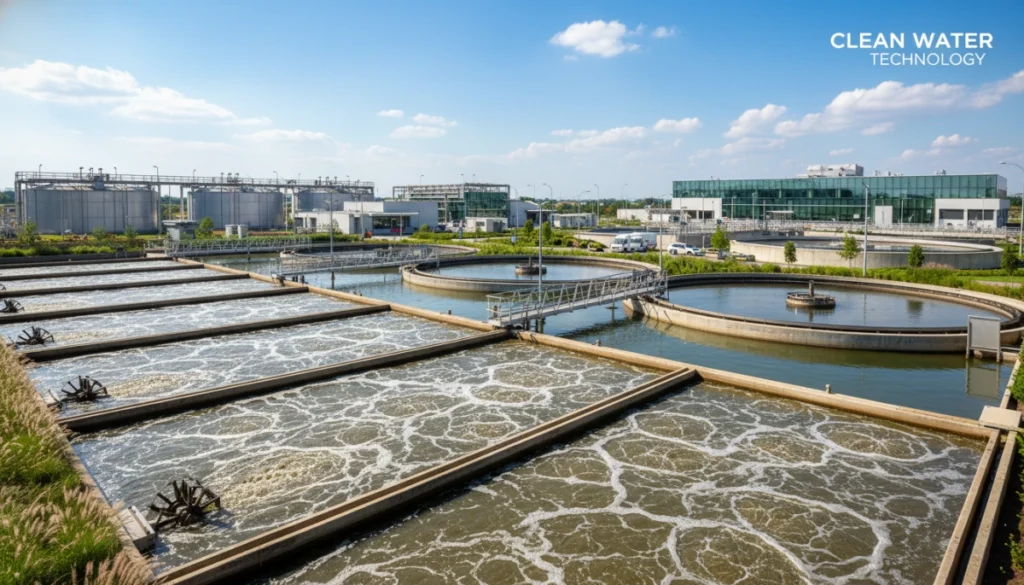
The aeration tank is the heart of the activated sludge process for wastewater treatment. This is where we create the perfect environment for \”good\” bacteria to thrive. By pumping in a constant supply of dissolved oxygen, we keep these microorganisms active and hungry. They quickly break down organic matter, turning pollutants into harmless cell mass. We ensure the mixing is aggressive enough to keep the solids suspended, preventing any dead zones where the treatment might stall.
The Function of the Clarifier
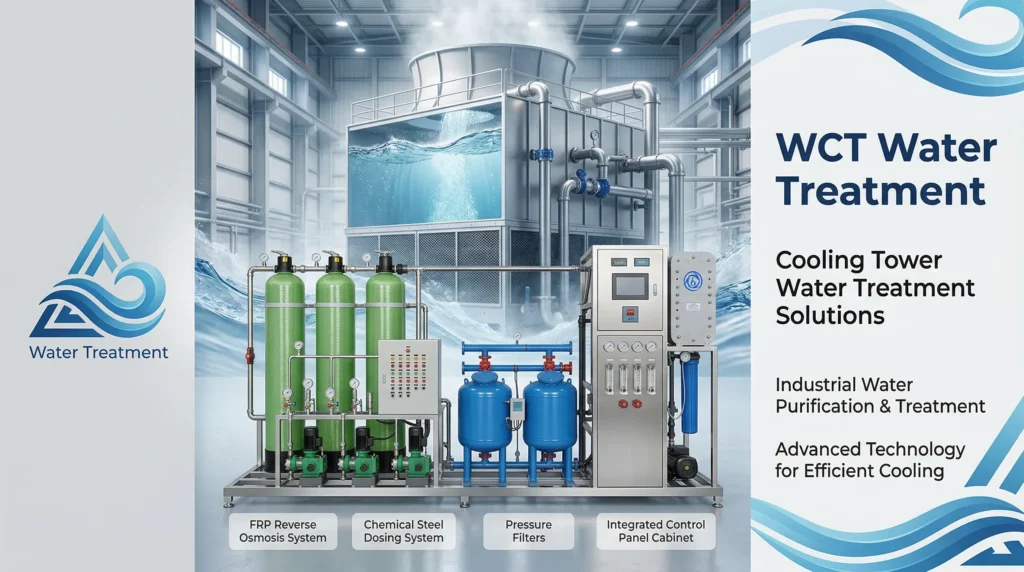
Once the microbes have done their job in the aeration tank, the mixture flows into the secondary clarifier. This is a quiet zone where gravity takes over. The heavy biological solids, or \”floc,\” settle to the bottom, while the clear, treated water rises to the top for discharge. For many of our clients looking for a streamlined setup, using integrated sewage treatment equipment is the best way to manage this separation efficiently in a smaller footprint.
Recycling and Wasting: RAS and WAS Explained
To keep the activated sludge sewage treatment cycle running smoothly, we have to manage the \”sludge\” inventory carefully:
- RAS (Return Activated Sludge): We pump a specific amount of the settled bacteria from the clarifier back into the aeration tank. This keeps the microbial population high enough to handle incoming waste.
- WAS (Waste Activated Sludge): Microbes multiply fast. To prevent the system from becoming overloaded, we \”waste\” or remove the excess sludge.
- Balance: Finding the right ratio between RAS and WAS is what determines the overall health and clarity of your effluent.
By controlling these two flows, we maintain a stable biological age within the system, ensuring the activated sludge wastewater treatment remains consistent even as influent levels fluctuate.
Key Biological and Chemical Mechanisms
Microbial Breakdown and BOD Removal
In our activated sludge wastewater treatment setups, we rely on a massive, hungry population of microorganisms to do the heavy lifting. These microbes use the organic pollutants in the sewage as their primary food source, effectively reducing the Biochemical Oxygen Demand (BOD).
- Carbonaceous Removal: Heterotrophic bacteria break down complex organic carbons into CO2 and water.
- Floc Formation: As these microbes eat, they naturally clump together into \”flocs.\” This is a critical part of the activated sludge process, as these heavy clumps are what allow the waste to settle out of the water later.
Nitrification and Denitrification Processes
Nitrogen removal is a non-negotiable standard for modern discharge permits. We manage this through a two-stage biological cycle within the wastewater treatment activated sludge system:
- Nitrification: Under high-oxygen conditions, specialized bacteria convert toxic ammonia into nitrates.
- Denitrification: In anoxic zones (where dissolved oxygen is absent), bacteria strip the oxygen from those nitrates, releasing harmless nitrogen gas into the atmosphere.
To ensure these chemical transitions happen smoothly, we often integrate a precise dosing system for wastewater treatment to maintain the perfect pH and nutrient balance for the bacteria to thrive.
The Importance of Dissolved Oxygen and Aeration Methods
Oxygen is the lifeblood of activated sludge in wastewater treatment. Without a steady supply of Dissolved Oxygen (DO), the aerobic microbes would die off, and the process would fail. We focus on two primary goals here:
- Oxygen Transfer: Using fine-bubble diffusers or mechanical aerators to get oxygen into the liquid.
- Mixing: Keeping the sludge in suspension so the microbes stay in constant contact with their food (the incoming waste).
We typically maintain DO levels between 1.5 and 2.0 mg/L. Anything less slows down the treatment; anything more is a waste of electricity. By balancing these levels, we ensure the activated sludge process for wastewater treatment remains both highly effective and energy-efficient.
Types of Activated Sludge Treatment Systems
Not every facility uses the same setup. We offer various configurations of the activated sludge wastewater treatment process to match specific site constraints, flow requirements, and discharge limits. Choosing the right system is the first step toward operational efficiency.
Sequencing Batch Reactors (SBR)
The SBR is a \”fill-and-draw\” system where all steps of the activated sludge process for wastewater treatment occur in a single tank. This eliminates the need for separate secondary clarifiers, making it a favorite for space-constrained sites.
- Space-Efficient: Combines aeration and settling in one footprint.
- High Flexibility: Cycles can be adjusted to target specific nutrients like nitrogen or phosphorus.
- Process Control: Ideal for handling batch flows from industrial processes.
Oxidation Ditches and Deep Shaft Treatment
Oxidation ditches use a looped channel to circulate wastewater continuously. This setup is known for its incredible stability and ability to handle \”shock loads\” without failing.
- Long Retention Times: Provides excellent BOD removal and reliable nitrification.
- Simplified Operation: Fewer mechanical components compared to traditional setups.
- Deep Shaft Variation: Uses high-pressure vertical shafts to maximize oxygen transfer in a very small surface area.
For larger scale operations, these systems are often integrated into comprehensive municipal water treatment systems to ensure consistent compliance with environmental standards.
Package Plants and Surface-Aerated Basins
For smaller communities, hotels, or remote industrial sites, we recommend pre-engineered package plants. These are compact, modular versions of the activated sludge sewage treatment process.
- Rapid Deployment: Pre-fabricated units allow for quick installation and startup.
- Surface Aeration: Uses mechanical aerators to splash water into the air, providing oxygen in large, cost-effective basins or lagoons.
- Scalability: Modular designs allow you to add capacity as your needs grow.
To further polish the effluent and reach the highest water quality standards, many operators pair these systems with a sand media filter for sewage treatment to remove any remaining fine suspended solids before final discharge.
Critical Process Control and Calculations
Food-to-Microorganism (F/M) Ratio
We use the F/M ratio as a primary gauge to balance the organic load (food) entering the system against the biological population (microorganisms) available to treat it. Maintaining this balance is vital for a stable activated sludge wastewater treatment plant.
- High F/M Ratio: Microorganisms are overfed, leading to poor settling and potential \”bulking.\”
- Low F/M Ratio: Microorganisms are starving, which can cause \”pin floc\” that escapes the clarifier.
- Optimal Range: Varies by system type but generally ensures the activated sludge process remains efficient and predictable.
Sludge Volume Index (SVI) and Settling Quality
The Sludge Volume Index (SVI) is our most practical tool for monitoring how well the biomass settles. We calculate this by measuring the volume of settled sludge in a graduated cylinder after 30 minutes. A healthy SVI indicates that the wastewater treatment activated sludge is forming dense, heavy flocs that leave behind a clear effluent. To help you master these calculations and maintain peak performance, we provide a detailed water treatment guide covering essential operational benchmarks.
Mean Cell Residence Time (MCRT) and Solids Inventory
MCRT, often called sludge age, represents the average amount of time the microorganisms stay in the system before being wasted. We manage the solids inventory by adjusting the wasting rates to keep the microbial population at the right maturity level.
- Short MCRT: Results in \”young\” sludge that is highly active but may not settle well.
- Long MCRT: Results in \”old\” sludge, which is excellent for nitrification but can lead to ash-like particles in the final water.
- Inventory Control: We keep a close eye on the Mixed Liquor Suspended Solids (MLSS) to ensure the activated sludge process for wastewater treatment has enough \”workers\” to handle the daily load. For plants requiring extra polish after the biological stage, our sand media filter for sewage treatment is an excellent addition to manage any remaining suspended solids.
Advantages and Disadvantages of the Activated Sludge Process
Efficiency and High-Quality Effluent Standards
The activated sludge wastewater treatment method is the global benchmark for producing high-quality effluent. We favor this process because it provides exceptional removal of organic pollutants (BOD) and suspended solids, often reaching over 90-95% efficiency. It is highly adaptable, allowing us to design systems that handle varying waste strengths while meeting the most stringent environmental discharge permits. This reliability ensures that the treated water is safe for discharge or even advanced reclamation.
Operational Challenges and Process Upsets
While powerful, the activated sludge process for wastewater treatment is a living system that can be sensitive to environmental changes. We often see operators deal with \”shocks\” that disrupt the biological balance. Common issues include:
- Sludge Bulking: When filamentous bacteria overgrow, preventing the sludge from settling properly in the clarifier.
- Foaming: Often caused by specific Nocardia bacteria or high concentrations of surfactants.
- Toxic Shocks: Sudden chemical spikes in the influent can kill off the healthy microbial population.
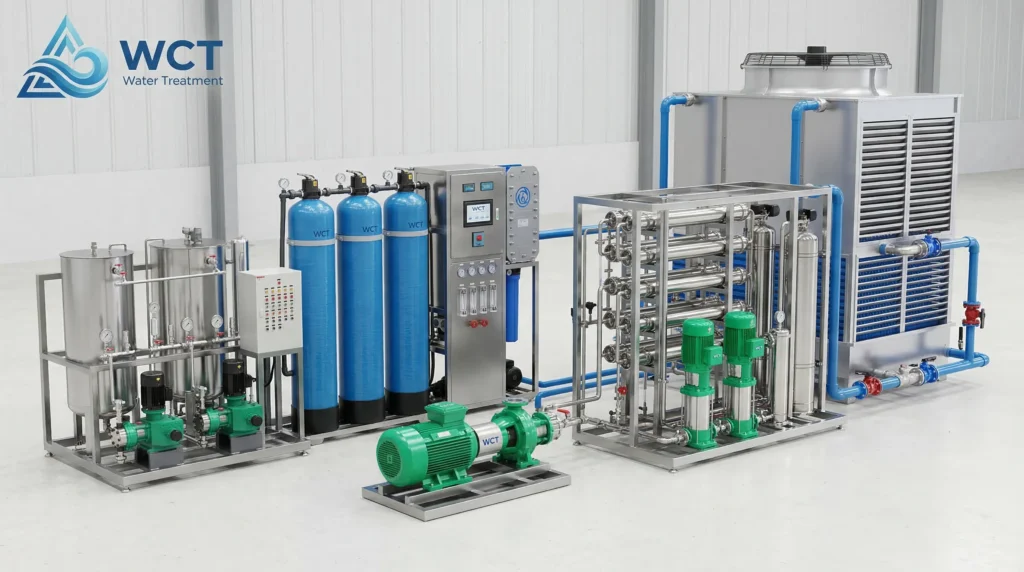
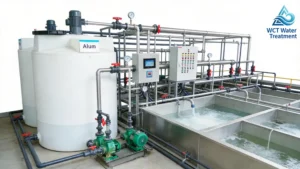
To mitigate these risks and maintain stability, we recommend integrating a chemical dosing tank with stainless steel components to ensure precise delivery of coagulants or nutrients whenever the system needs a quick correction.
Cost Considerations and Technology Selection
Choosing activated sludge sewage treatment involves balancing high performance against operational expenses. While it offers a much smaller footprint than lagoons or ponds, the energy required for constant aeration is the largest ongoing cost.
- High Performance: Delivers the cleanest water for industrial and municipal use.
- Operational Demand: Requires trained technicians to manage the complex \”food-to-microorganism\” balance and sludge age.
- Maintenance: Mechanical components like blowers, diffusers, and return pumps need regular upkeep to maintain oxygen transfer efficiency.
We help our clients weigh these factors to ensure the selected technology aligns with their long-term budget and specific discharge goals. For more detailed insights on system management, you can refer to our water treatment guide to help optimize your plant\’s performance.
Managing and Treating Waste Activated Sludge (WAS)
Handling the excess biomass is a critical part of any activated sludge wastewater treatment plant. Effective management turns a byproduct into a resource while keeping the main process stable and cost-effective.
Thickening and Dewatering Performance
The goal here is simple: get the water out. Waste activated sludge (WAS) is incredibly dilute, often containing over 98% water. We focus on high-efficiency thickening to reduce the volume before it hits the digesters or disposal units.
- Gravity Belt Thickeners: Ideal for cost-effective initial volume reduction.
- Centrifuges: Use high-speed rotation for rapid solids separation.
- Filter Presses: Best for achieving the highest solids concentration, which significantly lowers hauling costs.
Anaerobic Digestion and Biogas Production
We treat sludge as a potential fuel source. By feeding concentrated WAS into anaerobic digesters, bacteria break down organic solids in an oxygen-free environment. This process generates biogas (methane), which can be repurposed to power plant blowers or heating systems. To ensure the liquid portion of the waste stream is fully sanitized before it leaves the facility, many modern plants integrate UV light water treatment to eliminate remaining pathogens without the need for harsh chemicals.
Advanced Thermal and Chemical Pre-treatment Technologies
To push efficiency further, we utilize pre-treatment methods to \”break\” the sludge cells before they reach the digestion stage. This results in a much more efficient activated sludge process overall.
- Thermal Hydrolysis: Uses heat and pressure to make the sludge more \”digestible\” for bacteria.
- Chemical Conditioning: Employs specialized polymers to improve water release during dewatering.
- Enhanced Solids Reduction: Minimizes the final amount of waste, leading to lower landfill or incineration fees and a smaller environmental footprint.